










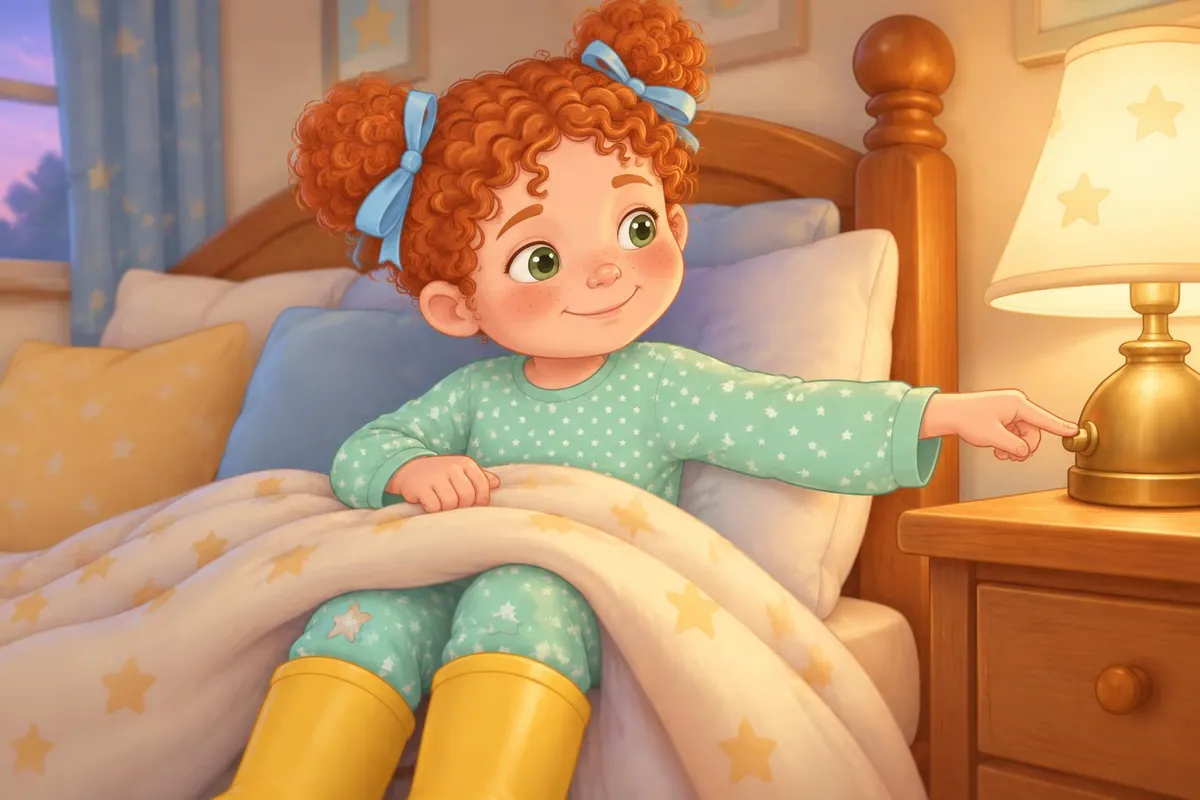
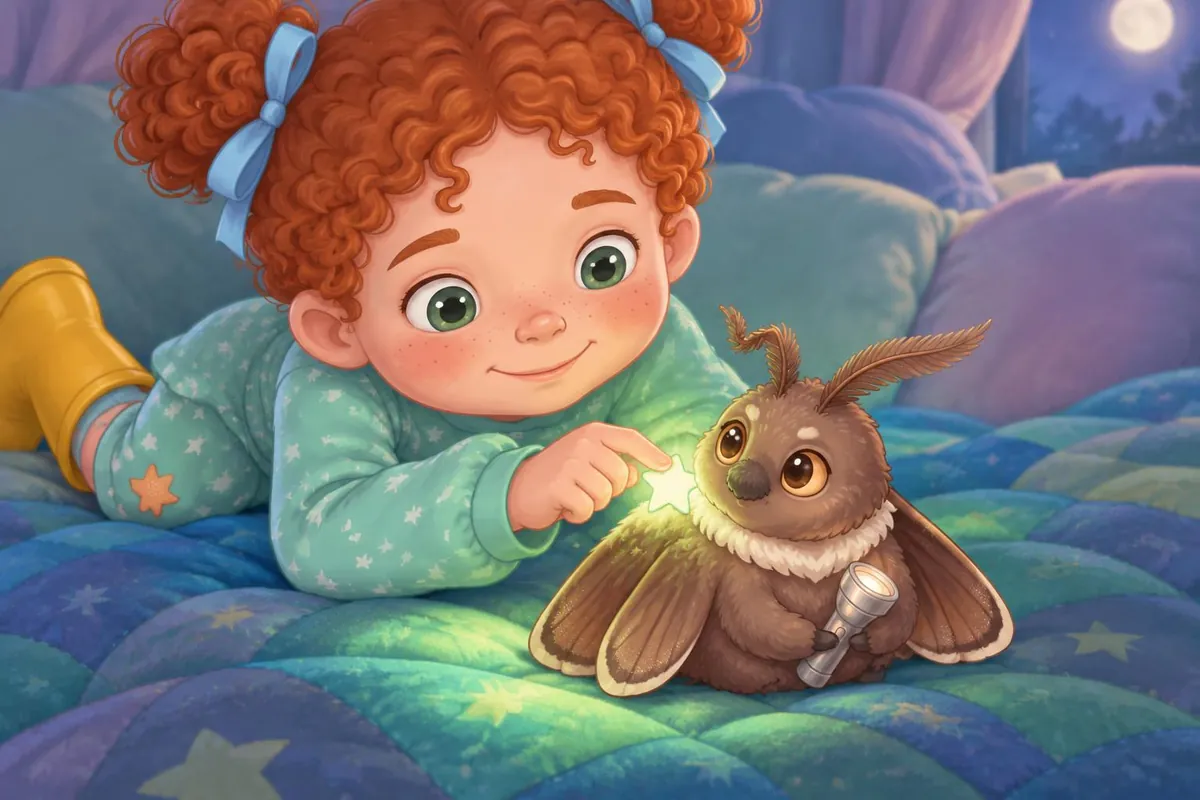
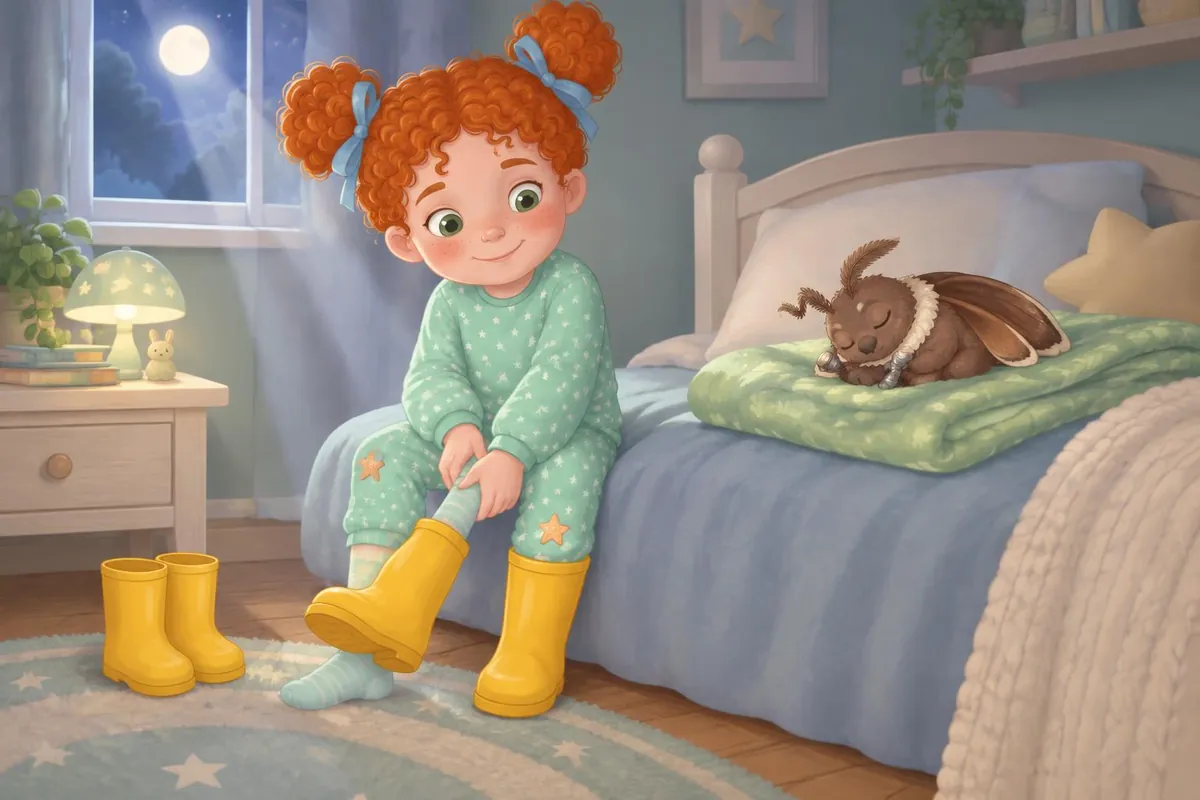
Turn Big Feelings intoBedtime Stories
Bedtime Stories
Personalized audio stories that help children navigate emotions, spark imagination, and make winding-down time magical.
30 days FREE - full library access. No card needed.
Stories for Every Moment
Whatever your child is going through, there's a story to help them understand and grow.
Scared of the Dark
A story where your child befriends the night and discovers its magic
New Sibling Arriving
Prepare them for the big change with tales of love and sharing
First Day of School
Build confidence with a friendship adventure full of excitement
Trouble Sharing
Model generosity through an enchanting tale of giving and joy
Visiting the Dentist
Transform fear into curiosity with a brave hero just like them
Moving to New Home
Turn anxiety into excitement for the adventure ahead
+ hundreds more situations tailored to your child's unique experiences

The Broom Who Loved the Grass
This story helps develop your child's emotional intelligence by showing Lena recognizing and validating her friend's fear without judgment. It also teaches adaptability and social skills, demonstrating that changing plans to accommodate others can lead to new and wonderful ways to have fun.

Queen Coral's Royal Dilemma
This story helps children understand the value of independence and self-governance, showing that they often have the power to solve their own problems without relying on an authority figure. It also teaches the importance of setting personal boundaries and demonstrates that true leadership sometimes means empowering others to help themselves.

The Sleepy Boat of Stars
This story helps your child develop emotional regulation by modeling a soothing routine of caring for others before sleep. The gentle repetition of counting (one, two, three) introduces early math concepts, while the rhythmic pacing reinforces a sense of security and calm.

The Sunflower Who Knew Too Much
This story helps children distinguish between merely hearing words and active listening, a critical social skill for deepening friendships. By watching the protagonist recognize her own unintentional selfishness, your child will learn the value of 'holding space' for others' emotions without feeling the need to immediately fix their problems.

Mina and the Missing Toy Pile
This story helps your child develop observation and problem-solving skills by encouraging them to identify clues along with Mina. It also reinforces positive habits around tidying up and bedtime routines, showing how organizing personal space can create a sense of safety and accomplishment.

Drawing the Night Away
This story empowers children by showing them that they have the agency to solve problems through creativity and imagination. It also helps develop emotional intelligence by modeling how to transform feelings of nervousness (a 'wiggly tummy') into confidence and pride.

The Great Game of Hide and Love
This story helps build a secure attachment style by reassuring your child that they are loved and safe, even when they explore independence. It models a positive "serve and return" interaction pattern that strengthens the parent-child bond and develops emotional security.

Inkfeather’s Flight
This story validates your child's imagination and creativity, framing these traits as strengths rather than distractions. It helps children navigate feelings of self-doubt ('not being enough') by showing that owning one's unique perspective is a superpower. Through Lydia's journey, young readers learn that their voice has the power to define their own reality and protect what they love.

The Loudest Princess in the Land
This story helps your child practice self-regulation by demonstrating that different situations require different voice volumes. It models emotional intelligence by identifying feelings like worry and showing how to overcome frustration through calming thoughts. Your child will learn that being gentle and quiet can be just as powerful and magical as being loud and energetic.

Jerome's Walk Among the Stars
This story teaches your child the value of patience and listening, showing that calm observation often leads to the most beautiful discoveries. It also gently reframes the darkness of night as a magical, musical place, helping to soothe common childhood fears of the dark.

The Mystery of the Pink Dust
This story helps your child develop empathy by showing that others (even mice!) have needs and feelings just like we do. It also encourages critical thinking and observation skills as Winston follows clues to solve a problem step-by-step.

The Great Sky Paint Caper
This story helps your child develop emotional intelligence by showing that 'bad' behavior often comes from frustration or loneliness rather than malice. It also encourages shy children to find their inner bravery, demonstrating that they can solve big problems and help others through kindness and communication.

Mindy Says Kind Words
This story helps your toddler develop empathy by modeling how to recognize emotions and offer comfort through gentle touches and simple actions. It also reinforces early communication skills by linking core social words like "hi," "sorry," and "hug" to concrete, positive behaviors.

Fuel Intake at Room 12B
This story encourages children to trust their observational skills and critical thinking when things appear out of the ordinary. It teaches that differences—even extraterrestrial ones—can be understood through curiosity rather than fear, turning a potentially scary situation into a moment of connection and humor.

The Dreaming Stone
This story teaches your child the importance of cultural respect and humility, showing that true understanding comes from listening rather than assuming. It encourages curiosity about the natural world and helps children recognize that their actions have consequences within the larger web of life.

Mandy’s Wiggly-Woo Dance
This story reinforces the secure attachment between parent and child, showing your child that even when they wobble or make a mistake, you are there to support them instantly. It encourages physical coordination and gross motor skills through movement prompts while modeling how to transition from high-energy play to a calm, restful state.

Where the Sideways Lanterns Go
This story helps children understand the value of family heritage and the importance of carrying on traditions. It validates a child's agency in making independent moral choices while navigating feelings of grief and connection to loved ones.

Takoda and the River Dancer
This story helps children develop patience and resilience by showing that mistakes, like breaking the wood, are opportunities to learn rather than failures. It also fosters an appreciation for teamwork and nature as Takoda works closely with his father to create something meaningful.

Glitter-Sneeze Grove
This story helps children understand that their perceived flaws can actually be unique strengths when viewed from a different perspective. Your child will learn the value of empathy and how using their own special abilities to help others can build confidence and friendship.

Starship Snuggle-Landing
This story helps your child develop emotional intelligence by showing them how to recognize when someone is uncomfortable and how to offer gentle help. It also reinforces problem-solving skills through a cozy, sensory-rich narrative that associates kindness with positive outcomes.

The Broom Who Loved the Grass
This story helps develop your child's emotional intelligence by showing Lena recognizing and validating her friend's fear without judgment. It also teaches adaptability and social skills, demonstrating that changing plans to accommodate others can lead to new and wonderful ways to have fun.

Queen Coral's Royal Dilemma
This story helps children understand the value of independence and self-governance, showing that they often have the power to solve their own problems without relying on an authority figure. It also teaches the importance of setting personal boundaries and demonstrates that true leadership sometimes means empowering others to help themselves.

The Sleepy Boat of Stars
This story helps your child develop emotional regulation by modeling a soothing routine of caring for others before sleep. The gentle repetition of counting (one, two, three) introduces early math concepts, while the rhythmic pacing reinforces a sense of security and calm.

The Sunflower Who Knew Too Much
This story helps children distinguish between merely hearing words and active listening, a critical social skill for deepening friendships. By watching the protagonist recognize her own unintentional selfishness, your child will learn the value of 'holding space' for others' emotions without feeling the need to immediately fix their problems.

Mina and the Missing Toy Pile
This story helps your child develop observation and problem-solving skills by encouraging them to identify clues along with Mina. It also reinforces positive habits around tidying up and bedtime routines, showing how organizing personal space can create a sense of safety and accomplishment.

Drawing the Night Away
This story empowers children by showing them that they have the agency to solve problems through creativity and imagination. It also helps develop emotional intelligence by modeling how to transform feelings of nervousness (a 'wiggly tummy') into confidence and pride.

The Great Game of Hide and Love
This story helps build a secure attachment style by reassuring your child that they are loved and safe, even when they explore independence. It models a positive "serve and return" interaction pattern that strengthens the parent-child bond and develops emotional security.

Inkfeather’s Flight
This story validates your child's imagination and creativity, framing these traits as strengths rather than distractions. It helps children navigate feelings of self-doubt ('not being enough') by showing that owning one's unique perspective is a superpower. Through Lydia's journey, young readers learn that their voice has the power to define their own reality and protect what they love.

The Loudest Princess in the Land
This story helps your child practice self-regulation by demonstrating that different situations require different voice volumes. It models emotional intelligence by identifying feelings like worry and showing how to overcome frustration through calming thoughts. Your child will learn that being gentle and quiet can be just as powerful and magical as being loud and energetic.

Jerome's Walk Among the Stars
This story teaches your child the value of patience and listening, showing that calm observation often leads to the most beautiful discoveries. It also gently reframes the darkness of night as a magical, musical place, helping to soothe common childhood fears of the dark.

The Mystery of the Pink Dust
This story helps your child develop empathy by showing that others (even mice!) have needs and feelings just like we do. It also encourages critical thinking and observation skills as Winston follows clues to solve a problem step-by-step.

The Great Sky Paint Caper
This story helps your child develop emotional intelligence by showing that 'bad' behavior often comes from frustration or loneliness rather than malice. It also encourages shy children to find their inner bravery, demonstrating that they can solve big problems and help others through kindness and communication.

Mindy Says Kind Words
This story helps your toddler develop empathy by modeling how to recognize emotions and offer comfort through gentle touches and simple actions. It also reinforces early communication skills by linking core social words like "hi," "sorry," and "hug" to concrete, positive behaviors.

Fuel Intake at Room 12B
This story encourages children to trust their observational skills and critical thinking when things appear out of the ordinary. It teaches that differences—even extraterrestrial ones—can be understood through curiosity rather than fear, turning a potentially scary situation into a moment of connection and humor.

The Dreaming Stone
This story teaches your child the importance of cultural respect and humility, showing that true understanding comes from listening rather than assuming. It encourages curiosity about the natural world and helps children recognize that their actions have consequences within the larger web of life.

Mandy’s Wiggly-Woo Dance
This story reinforces the secure attachment between parent and child, showing your child that even when they wobble or make a mistake, you are there to support them instantly. It encourages physical coordination and gross motor skills through movement prompts while modeling how to transition from high-energy play to a calm, restful state.

Where the Sideways Lanterns Go
This story helps children understand the value of family heritage and the importance of carrying on traditions. It validates a child's agency in making independent moral choices while navigating feelings of grief and connection to loved ones.

Takoda and the River Dancer
This story helps children develop patience and resilience by showing that mistakes, like breaking the wood, are opportunities to learn rather than failures. It also fosters an appreciation for teamwork and nature as Takoda works closely with his father to create something meaningful.

Glitter-Sneeze Grove
This story helps children understand that their perceived flaws can actually be unique strengths when viewed from a different perspective. Your child will learn the value of empathy and how using their own special abilities to help others can build confidence and friendship.

Starship Snuggle-Landing
This story helps your child develop emotional intelligence by showing them how to recognize when someone is uncomfortable and how to offer gentle help. It also reinforces problem-solving skills through a cozy, sensory-rich narrative that associates kindness with positive outcomes.

The Broom Who Loved the Grass
This story helps develop your child's emotional intelligence by showing Lena recognizing and validating her friend's fear without judgment. It also teaches adaptability and social skills, demonstrating that changing plans to accommodate others can lead to new and wonderful ways to have fun.

Queen Coral's Royal Dilemma
This story helps children understand the value of independence and self-governance, showing that they often have the power to solve their own problems without relying on an authority figure. It also teaches the importance of setting personal boundaries and demonstrates that true leadership sometimes means empowering others to help themselves.

The Sleepy Boat of Stars
This story helps your child develop emotional regulation by modeling a soothing routine of caring for others before sleep. The gentle repetition of counting (one, two, three) introduces early math concepts, while the rhythmic pacing reinforces a sense of security and calm.

The Sunflower Who Knew Too Much
This story helps children distinguish between merely hearing words and active listening, a critical social skill for deepening friendships. By watching the protagonist recognize her own unintentional selfishness, your child will learn the value of 'holding space' for others' emotions without feeling the need to immediately fix their problems.

Mina and the Missing Toy Pile
This story helps your child develop observation and problem-solving skills by encouraging them to identify clues along with Mina. It also reinforces positive habits around tidying up and bedtime routines, showing how organizing personal space can create a sense of safety and accomplishment.

Drawing the Night Away
This story empowers children by showing them that they have the agency to solve problems through creativity and imagination. It also helps develop emotional intelligence by modeling how to transform feelings of nervousness (a 'wiggly tummy') into confidence and pride.

The Great Game of Hide and Love
This story helps build a secure attachment style by reassuring your child that they are loved and safe, even when they explore independence. It models a positive "serve and return" interaction pattern that strengthens the parent-child bond and develops emotional security.

Inkfeather’s Flight
This story validates your child's imagination and creativity, framing these traits as strengths rather than distractions. It helps children navigate feelings of self-doubt ('not being enough') by showing that owning one's unique perspective is a superpower. Through Lydia's journey, young readers learn that their voice has the power to define their own reality and protect what they love.

The Loudest Princess in the Land
This story helps your child practice self-regulation by demonstrating that different situations require different voice volumes. It models emotional intelligence by identifying feelings like worry and showing how to overcome frustration through calming thoughts. Your child will learn that being gentle and quiet can be just as powerful and magical as being loud and energetic.

Jerome's Walk Among the Stars
This story teaches your child the value of patience and listening, showing that calm observation often leads to the most beautiful discoveries. It also gently reframes the darkness of night as a magical, musical place, helping to soothe common childhood fears of the dark.

The Mystery of the Pink Dust
This story helps your child develop empathy by showing that others (even mice!) have needs and feelings just like we do. It also encourages critical thinking and observation skills as Winston follows clues to solve a problem step-by-step.

The Great Sky Paint Caper
This story helps your child develop emotional intelligence by showing that 'bad' behavior often comes from frustration or loneliness rather than malice. It also encourages shy children to find their inner bravery, demonstrating that they can solve big problems and help others through kindness and communication.

Mindy Says Kind Words
This story helps your toddler develop empathy by modeling how to recognize emotions and offer comfort through gentle touches and simple actions. It also reinforces early communication skills by linking core social words like "hi," "sorry," and "hug" to concrete, positive behaviors.

Fuel Intake at Room 12B
This story encourages children to trust their observational skills and critical thinking when things appear out of the ordinary. It teaches that differences—even extraterrestrial ones—can be understood through curiosity rather than fear, turning a potentially scary situation into a moment of connection and humor.

The Dreaming Stone
This story teaches your child the importance of cultural respect and humility, showing that true understanding comes from listening rather than assuming. It encourages curiosity about the natural world and helps children recognize that their actions have consequences within the larger web of life.

Mandy’s Wiggly-Woo Dance
This story reinforces the secure attachment between parent and child, showing your child that even when they wobble or make a mistake, you are there to support them instantly. It encourages physical coordination and gross motor skills through movement prompts while modeling how to transition from high-energy play to a calm, restful state.

Where the Sideways Lanterns Go
This story helps children understand the value of family heritage and the importance of carrying on traditions. It validates a child's agency in making independent moral choices while navigating feelings of grief and connection to loved ones.

Takoda and the River Dancer
This story helps children develop patience and resilience by showing that mistakes, like breaking the wood, are opportunities to learn rather than failures. It also fosters an appreciation for teamwork and nature as Takoda works closely with his father to create something meaningful.

Glitter-Sneeze Grove
This story helps children understand that their perceived flaws can actually be unique strengths when viewed from a different perspective. Your child will learn the value of empathy and how using their own special abilities to help others can build confidence and friendship.

Starship Snuggle-Landing
This story helps your child develop emotional intelligence by showing them how to recognize when someone is uncomfortable and how to offer gentle help. It also reinforces problem-solving skills through a cozy, sensory-rich narrative that associates kindness with positive outcomes.

The Broom Who Loved the Grass
This story helps develop your child's emotional intelligence by showing Lena recognizing and validating her friend's fear without judgment. It also teaches adaptability and social skills, demonstrating that changing plans to accommodate others can lead to new and wonderful ways to have fun.

Queen Coral's Royal Dilemma
This story helps children understand the value of independence and self-governance, showing that they often have the power to solve their own problems without relying on an authority figure. It also teaches the importance of setting personal boundaries and demonstrates that true leadership sometimes means empowering others to help themselves.

The Sleepy Boat of Stars
This story helps your child develop emotional regulation by modeling a soothing routine of caring for others before sleep. The gentle repetition of counting (one, two, three) introduces early math concepts, while the rhythmic pacing reinforces a sense of security and calm.

The Sunflower Who Knew Too Much
This story helps children distinguish between merely hearing words and active listening, a critical social skill for deepening friendships. By watching the protagonist recognize her own unintentional selfishness, your child will learn the value of 'holding space' for others' emotions without feeling the need to immediately fix their problems.

Mina and the Missing Toy Pile
This story helps your child develop observation and problem-solving skills by encouraging them to identify clues along with Mina. It also reinforces positive habits around tidying up and bedtime routines, showing how organizing personal space can create a sense of safety and accomplishment.

Drawing the Night Away
This story empowers children by showing them that they have the agency to solve problems through creativity and imagination. It also helps develop emotional intelligence by modeling how to transform feelings of nervousness (a 'wiggly tummy') into confidence and pride.

The Great Game of Hide and Love
This story helps build a secure attachment style by reassuring your child that they are loved and safe, even when they explore independence. It models a positive "serve and return" interaction pattern that strengthens the parent-child bond and develops emotional security.

Inkfeather’s Flight
This story validates your child's imagination and creativity, framing these traits as strengths rather than distractions. It helps children navigate feelings of self-doubt ('not being enough') by showing that owning one's unique perspective is a superpower. Through Lydia's journey, young readers learn that their voice has the power to define their own reality and protect what they love.

The Loudest Princess in the Land
This story helps your child practice self-regulation by demonstrating that different situations require different voice volumes. It models emotional intelligence by identifying feelings like worry and showing how to overcome frustration through calming thoughts. Your child will learn that being gentle and quiet can be just as powerful and magical as being loud and energetic.

Jerome's Walk Among the Stars
This story teaches your child the value of patience and listening, showing that calm observation often leads to the most beautiful discoveries. It also gently reframes the darkness of night as a magical, musical place, helping to soothe common childhood fears of the dark.

The Mystery of the Pink Dust
This story helps your child develop empathy by showing that others (even mice!) have needs and feelings just like we do. It also encourages critical thinking and observation skills as Winston follows clues to solve a problem step-by-step.

The Great Sky Paint Caper
This story helps your child develop emotional intelligence by showing that 'bad' behavior often comes from frustration or loneliness rather than malice. It also encourages shy children to find their inner bravery, demonstrating that they can solve big problems and help others through kindness and communication.

Mindy Says Kind Words
This story helps your toddler develop empathy by modeling how to recognize emotions and offer comfort through gentle touches and simple actions. It also reinforces early communication skills by linking core social words like "hi," "sorry," and "hug" to concrete, positive behaviors.

Fuel Intake at Room 12B
This story encourages children to trust their observational skills and critical thinking when things appear out of the ordinary. It teaches that differences—even extraterrestrial ones—can be understood through curiosity rather than fear, turning a potentially scary situation into a moment of connection and humor.

The Dreaming Stone
This story teaches your child the importance of cultural respect and humility, showing that true understanding comes from listening rather than assuming. It encourages curiosity about the natural world and helps children recognize that their actions have consequences within the larger web of life.

Mandy’s Wiggly-Woo Dance
This story reinforces the secure attachment between parent and child, showing your child that even when they wobble or make a mistake, you are there to support them instantly. It encourages physical coordination and gross motor skills through movement prompts while modeling how to transition from high-energy play to a calm, restful state.

Where the Sideways Lanterns Go
This story helps children understand the value of family heritage and the importance of carrying on traditions. It validates a child's agency in making independent moral choices while navigating feelings of grief and connection to loved ones.

Takoda and the River Dancer
This story helps children develop patience and resilience by showing that mistakes, like breaking the wood, are opportunities to learn rather than failures. It also fosters an appreciation for teamwork and nature as Takoda works closely with his father to create something meaningful.

Glitter-Sneeze Grove
This story helps children understand that their perceived flaws can actually be unique strengths when viewed from a different perspective. Your child will learn the value of empathy and how using their own special abilities to help others can build confidence and friendship.

Starship Snuggle-Landing
This story helps your child develop emotional intelligence by showing them how to recognize when someone is uncomfortable and how to offer gentle help. It also reinforces problem-solving skills through a cozy, sensory-rich narrative that associates kindness with positive outcomes.
How It Works
Create personalized stories with a subscription. Or explore our library free.
The Spark
Tell us what your child is facing—fears, milestones, or just a topic they love
The Magic
AI creates a personalized story with your child as the hero
The Experience
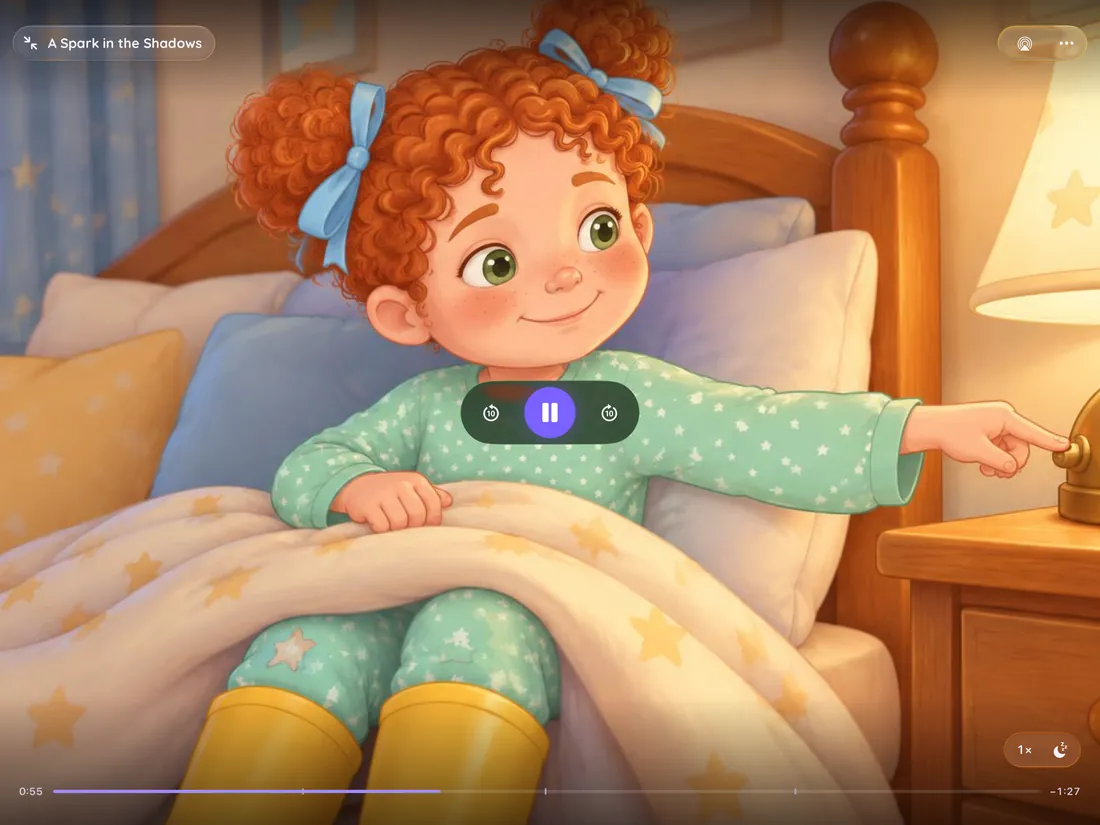
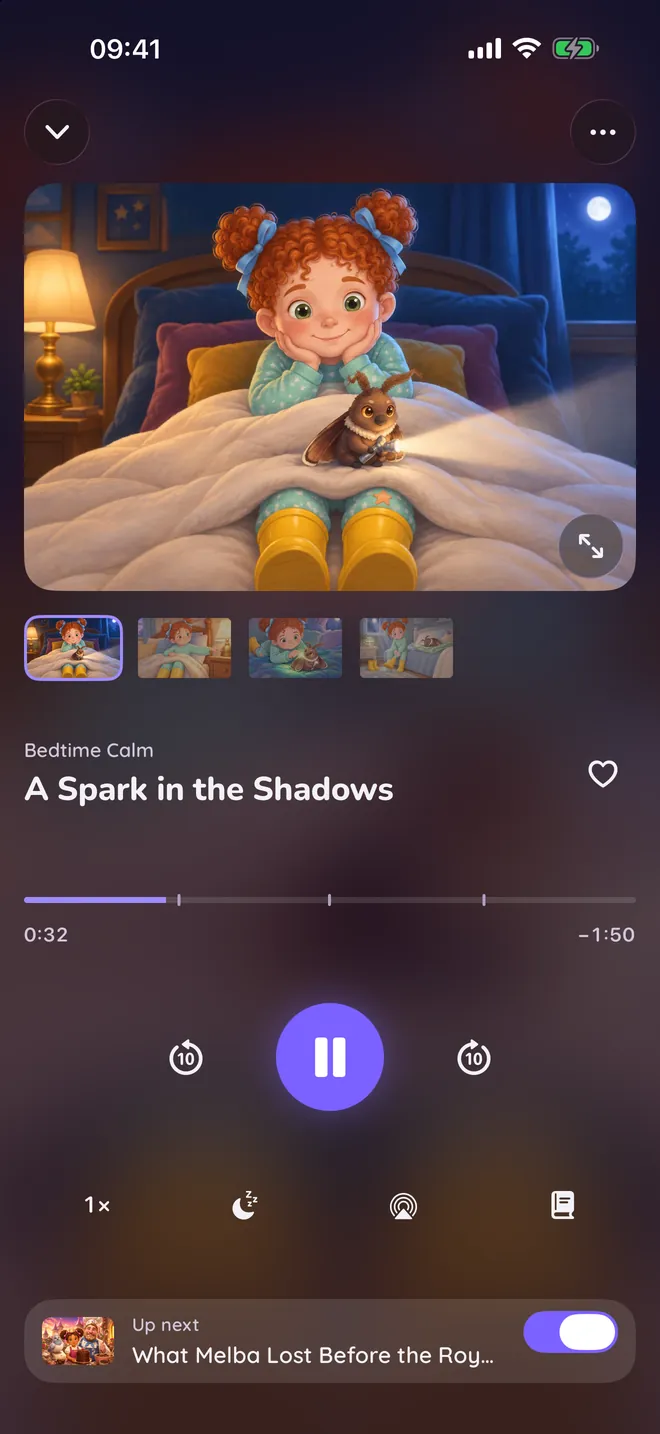
Listen to a beautifully narrated audio story with stunning illustrations
The Spark
Tell us what your child is facing—fears, milestones, or just a topic they love
The Magic
AI creates a personalized story with your child as the hero
The Experience
Listen to a beautifully narrated audio story with stunning illustrations
Why Stories Matter
The perfect blend of fun and developmental benefits
Fun & Imagination
Magical Adventures
Transport kids to fantastical worlds where they're the hero
Sparks Creativity
Fuel imagination far beyond passive video content
Better Than TV
Slow-paced entertainment that develops listening skills
Effective Way to Learn
Lessons absorbed naturally through engaging narratives
Science & Development
Emotional Regulation
Process feelings safely through story characters
Vocabulary & Literacy
Build comprehension and language skills effortlessly
Family Connection
Start meaningful conversations about life's challenges
Better Sleep
Calming bedtime routines that ease into restful nights
Experience the Magic
Beautifully crafted stories with stunning illustrations and soothing narration
Neural Audio Technology
Soothing, expressive voices that bring every character to life
Stunning Illustrations
Every story comes with beautiful, AI-generated artwork


Built for Trust
We take your child's safety and your privacy seriously
Zero Ads. Ever.
A distraction-free experience focused entirely on your child's enjoyment
Private by Design
Your family's data stays yours. We never sell or share personal information
Smart Filtering
AI-powered content moderation ensures age-appropriate stories every time
Research-Based
Built on child development research and proven storytelling techniques
Loved by Families
See what parents are saying about Booklly
“Finally, something that helps with bedtime battles. My son actually asks to go to bed now because he knows a story is waiting.”
“My daughter asks for her story every night. It's become our special bonding time, and I love that she's learning to process her emotions.”
“The stories about starting school really helped my anxious little one. She felt braver knowing other kids (and characters!) felt the same way.”
* More reviews coming soon
Simple, Transparent Pricing
Choose the plan that fits your family's storytelling needs
Free
Explore our story library
- First 30 days: Full library access
- After trial: 2 stories/month
- High-quality audio narration
- Beautiful illustrations
- No credit card required
Basic
Create personalized stories
- Full library access
- Create up to 3 stories/month
- Your child as the hero
- High-quality voice generation
- All illustration styles
Creator
For storytelling enthusiasts
- Full library access
- Create up to 9 stories/month
- Your child as the hero
- Premium voice options
- All illustration styles
- Priority support
Free tier includes library access. Paid plans unlock personalized story creation.
Cancel anytime, no questions asked.
Give them stories that inspire, comfort, and delight
Hundreds of stories ready for bedtime tonight
First month FREE - then 2 stories/month from our library