Turn Big Feelings intoBedtime Stories
Bedtime Stories
Personalized audio stories that help children navigate emotions, spark imagination, and make winding-down time magical.
1 free story per month for registered users
Stories for Every Moment
Whatever your child is going through, there's a story to help them understand and grow.
Scared of the Dark
A story where your child befriends the night and discovers its magic
New Sibling Arriving
Prepare them for the big change with tales of love and sharing
First Day of School
Build confidence with a friendship adventure full of excitement
Trouble Sharing
Model generosity through an enchanting tale of giving and joy
Visiting the Dentist
Transform fear into curiosity with a brave hero just like them
Moving to New Home
Turn anxiety into excitement for the adventure ahead
+ hundreds more situations tailored to your child's unique experiences
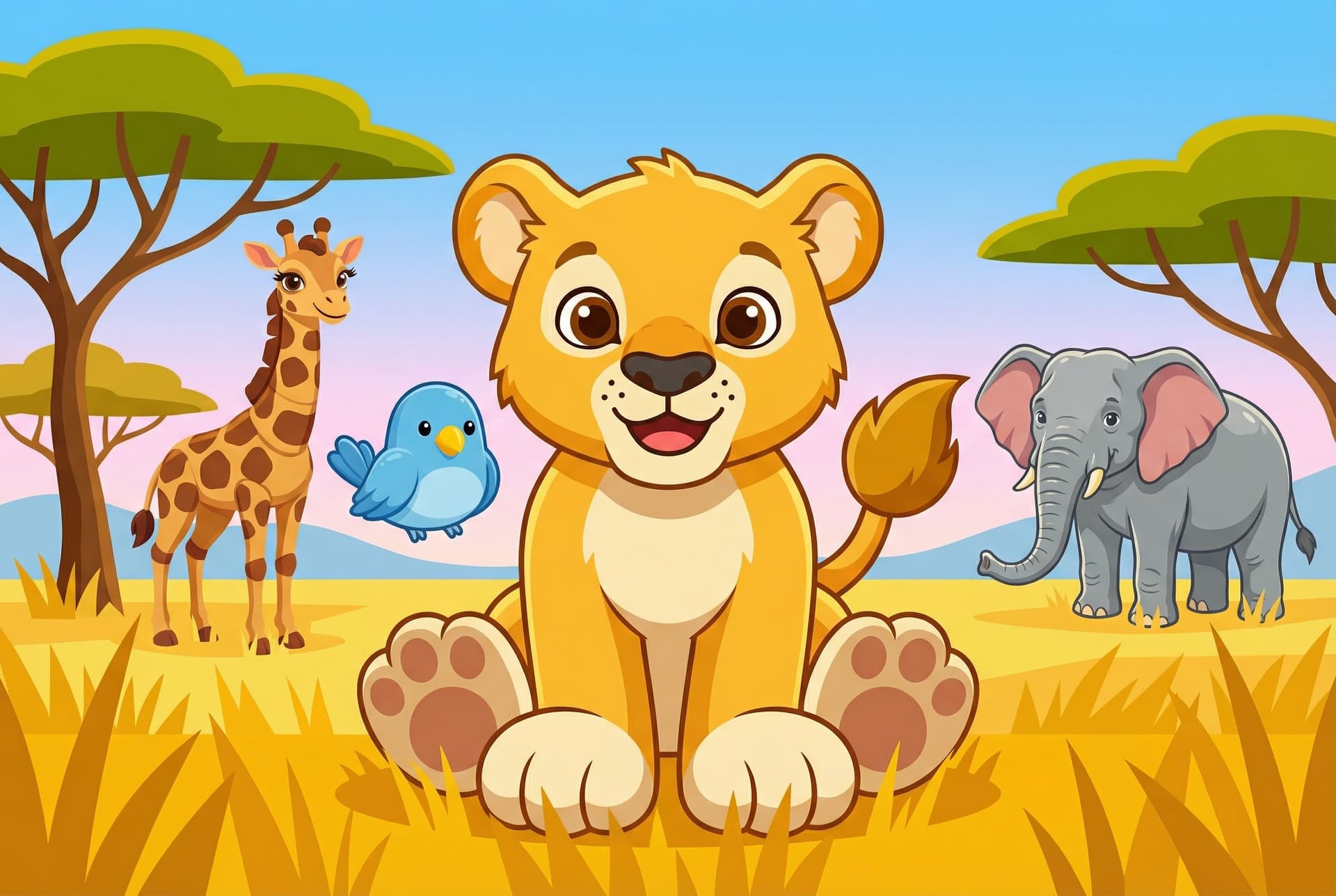
Soft Paws on the Savannah
This story helps your child develop language skills through rhythmic repetition and engaging sensory sounds (swish, pad, splash). The narrative reinforces emotional security by establishing a safe exploration loop that always returns to the comfort of a parent, making it an ideal choice for calming bedtime routines.

Neil and the Mountain-Bell Mind
This story teaches your child practical emotional regulation skills, such as deep breathing and visualization, to help manage anxiety and stress. By watching Neil transition from panic to focus, children learn that they have the power to calm their own minds and solve problems with patience rather than haste.
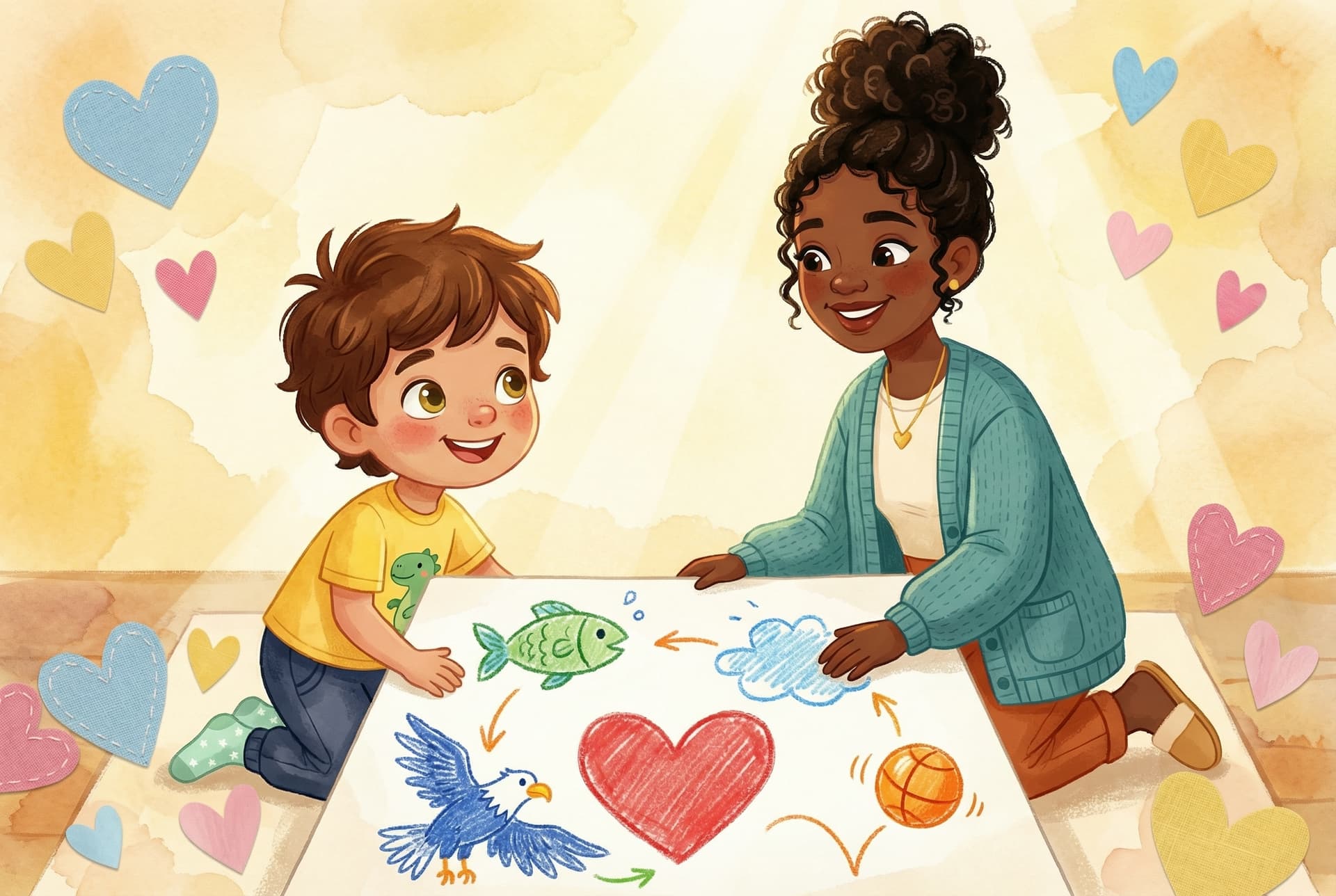
The Great Game of Hide and Love
This story helps build a secure attachment style by reassuring your child that they are loved and safe, even when they explore independence. It models a positive "serve and return" interaction pattern that strengthens the parent-child bond and develops emotional security.

Ink Under the Skin
This story helps children understand the power of self-definition, showing them that their identity is a choice rather than something imposed by others. It validates feelings of loneliness while encouraging resilience, demonstrating that acknowledging one's true self is the first step toward overcoming adversity.
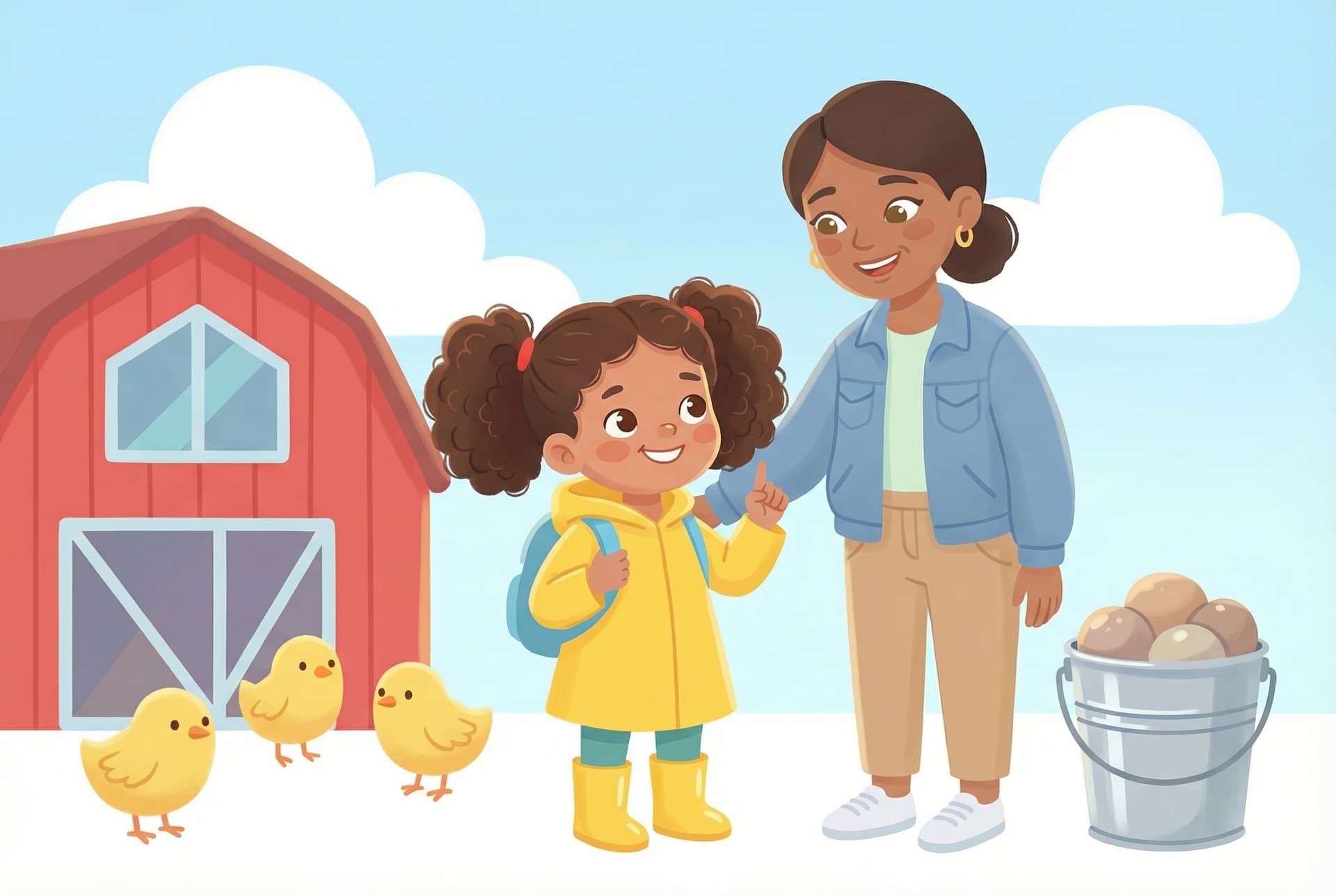
Lila Counts to Twenty at the Farm
This story encourages your child to persist through frustration when learning new or difficult skills. It demonstrates problem-solving by showing that changing the method (counting still objects instead of moving ones) can lead to success. The narrative also reinforces early math confidence and the sequence of numbers up to twenty in a sensory, rhythmic way.

Starlight Borrowed, Safely Returned
This story teaches your child the value of the scientific method—observation, hypothesis, and testing—in a way that feels like a gentle adventure. It models emotional regulation by showing that staying calm and breathing helps solve problems better than panicking. Your child will also learn fascinating real-world facts about our solar system while seeing curiosity portrayed as a superpower.
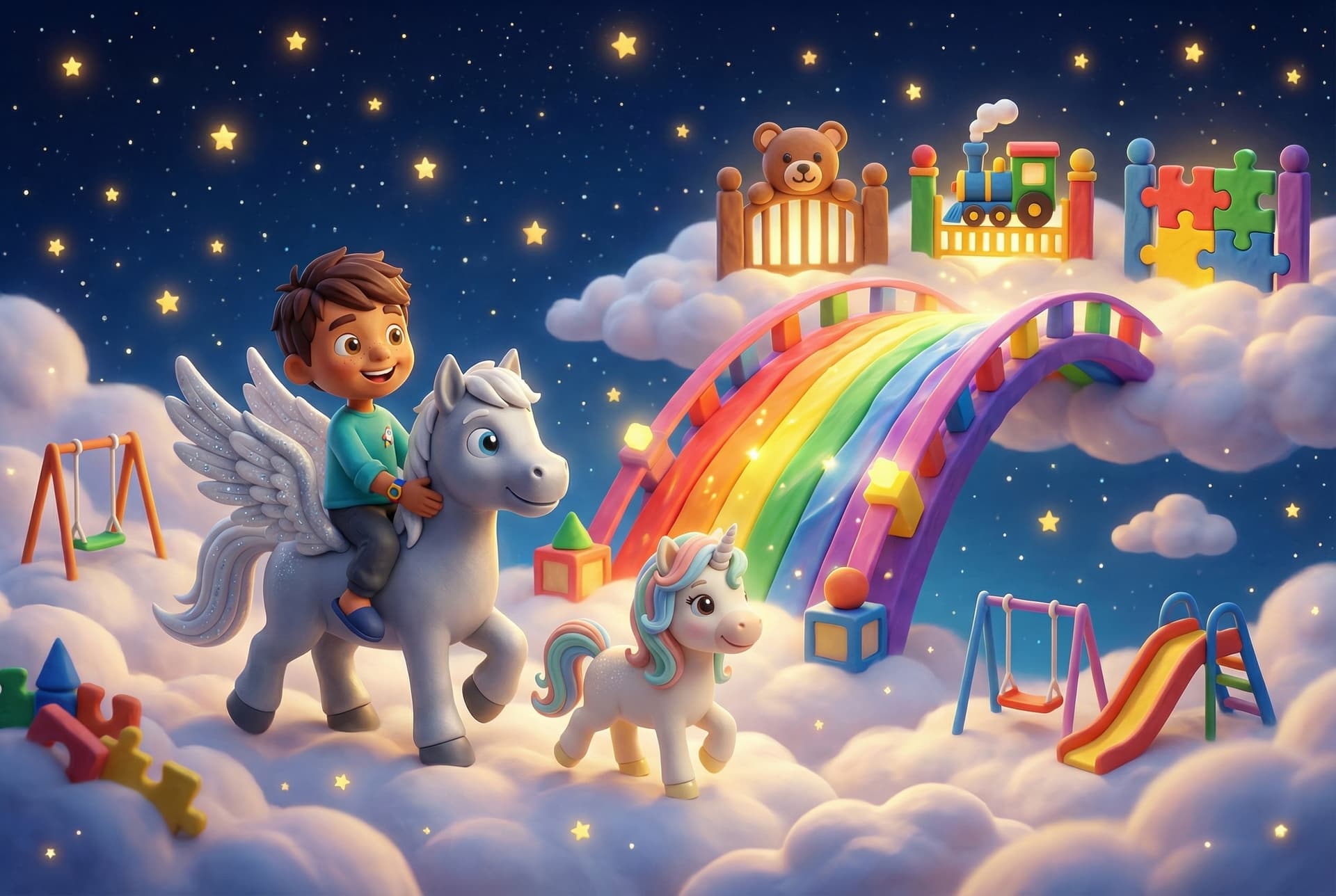
Rowan and the Rainbow Toy Bridge
This story helps children develop emotional intelligence by teaching them to identify and name complex feelings like jealousy. Your child will learn practical social strategies, such as using 'gentle hands' and creating fair 'sharing plans,' to navigate sibling conflicts peacefully. It also reinforces the reassuring concept that parental love is not a finite resource, helping to reduce sibling rivalry.

Theo and the New Year Lantern Map
This story encourages your child to develop global awareness by introducing them to diverse cultural traditions in an engaging, relatable way. It also promotes emotional maturity and responsibility, showing that wishes and good luck are best achieved through proactive kindness and helpful actions.
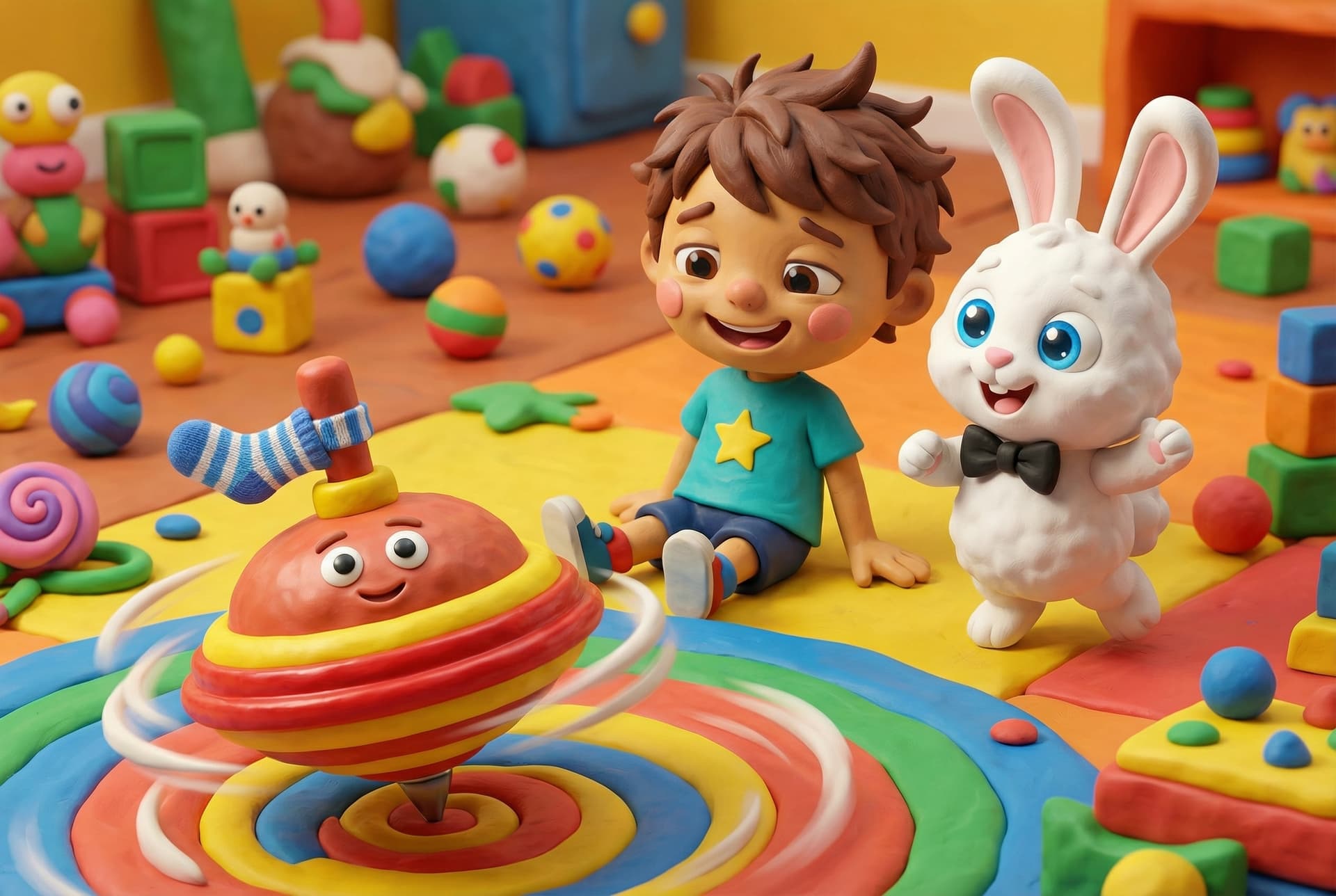
The Spinner-Spring Surprise
This story helps develop your child's cognitive skills by presenting a circular narrative structure, teaching them to recognize patterns and sequences. It also models patience and social cooperation, showing how to handle the whimsical requests of a friend with humor and kindness.
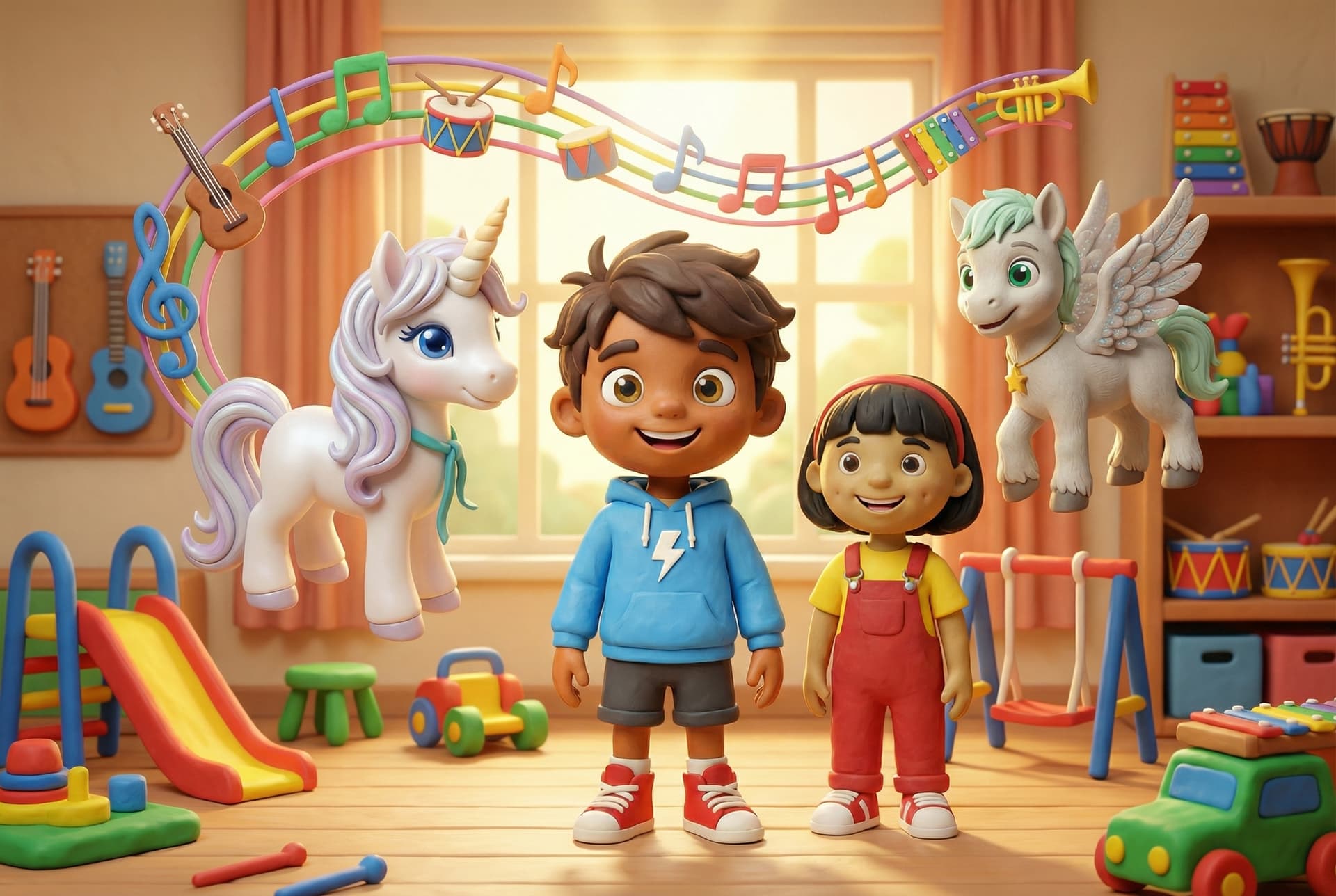
Leo and the Sky-Trail Band
This story teaches children the value of collaboration, showing that listening to others is just as important as playing your own part. It encourages perseverance when facing initial failure and introduces the joy of creative expression through teamwork.
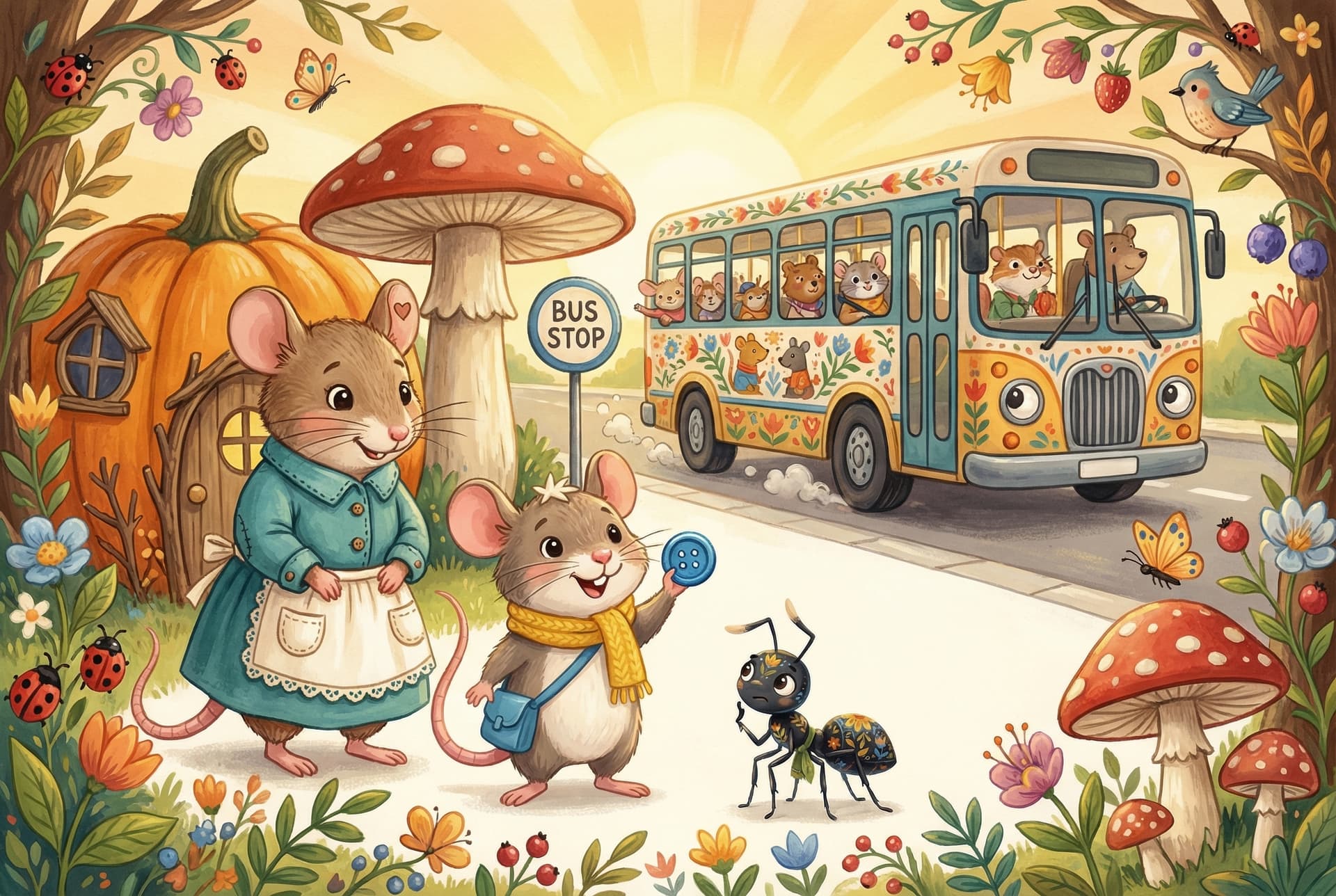
Bus Stop by the Little House
This story helps your child understand the value of being helpful and attentive to family members' needs. It also models positive social skills and politeness through Leo's gentle interaction with the ant to resolve a misunderstanding.

Footsteps on the Quiet Path
This story helps your child develop emotional regulation strategies, teaching them that bravery is about staying steady rather than being fearless. Through Myron's journey, children learn the value of respect for new cultures and the concept of integrity—doing the right thing even when it's difficult or uncomfortable.
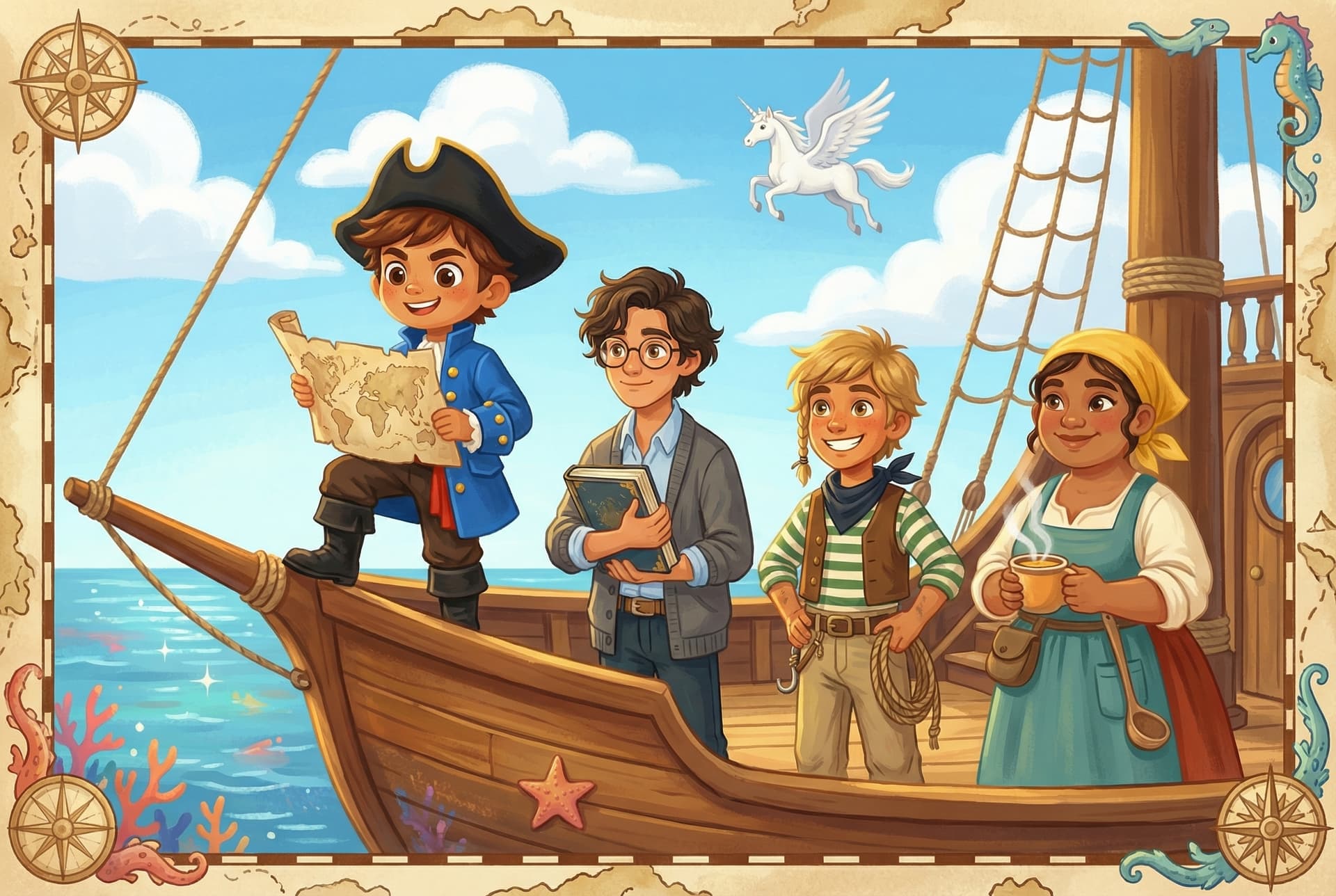
Captain Milo and the Spanish Gold Sea-Book
This story helps children understand that true bravery is acting responsibly even when feeling scared. It encourages emotional intelligence by demonstrating that kindness and knowledge are more effective tools for solving problems than force. Additionally, it fosters environmental awareness, teaching young readers to respect nature and share their resources for the good of their community.
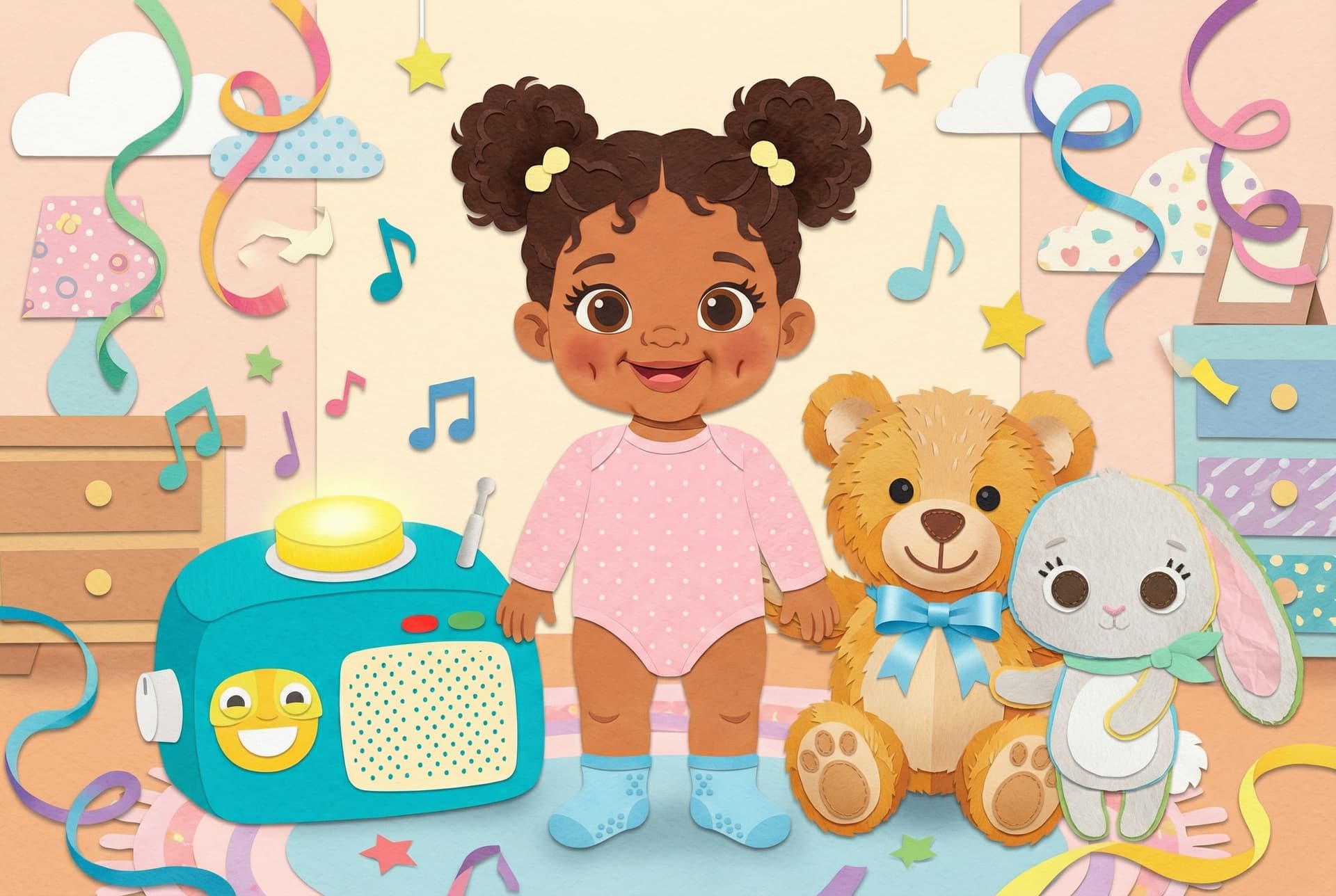
Rina and the Giggle Radio
This story supports **gross motor development** by encouraging your child to mimic actions like clapping, tapping, and stomping. The simple cause-and-effect of the radio button helps build **cognitive understanding** of how objects work. The transition from high-energy dancing to a slow lullaby models **emotional regulation**, helping your child practice calming down after excitement.
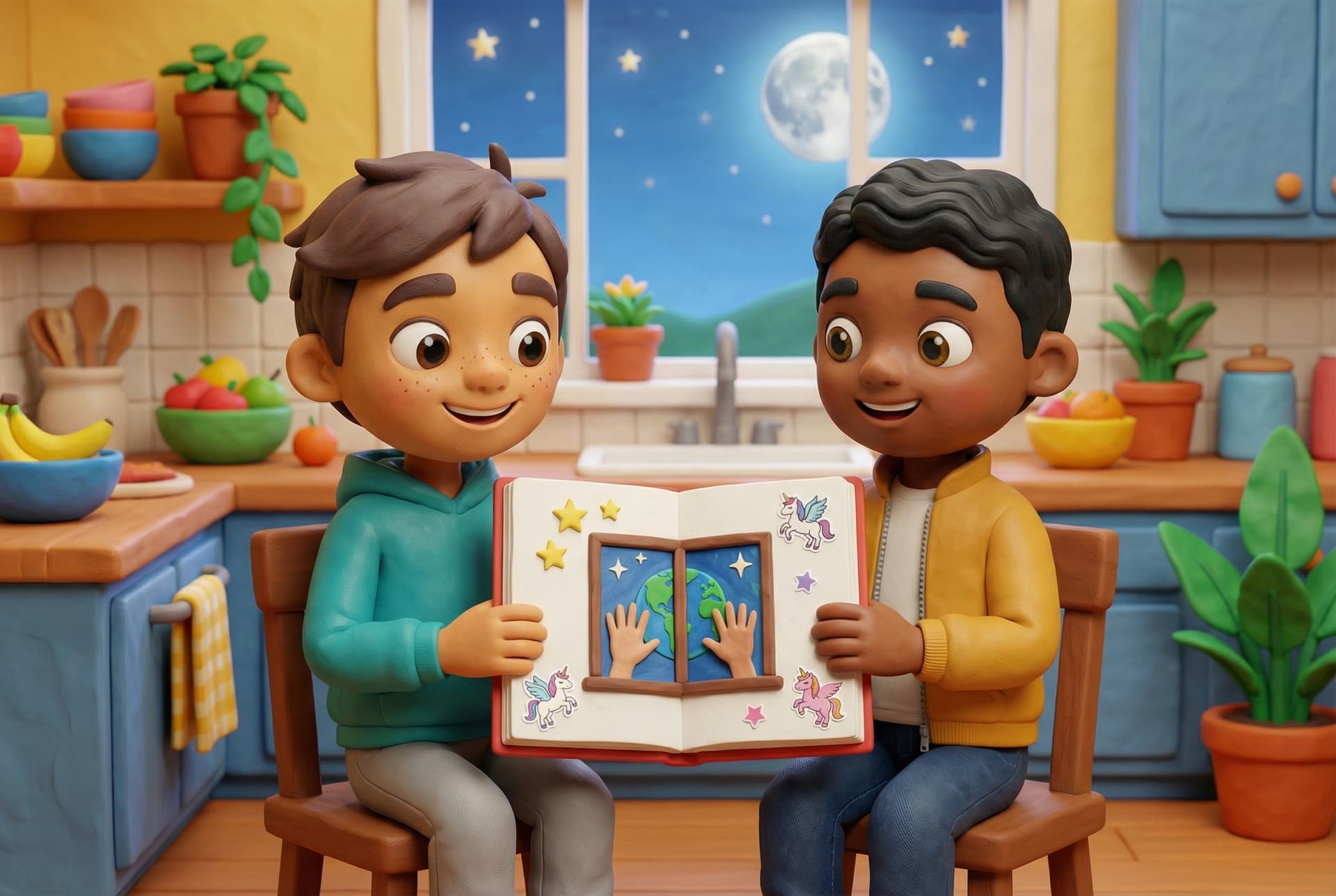
Leo’s Moon Gallery
This story helps children develop emotional intelligence by demonstrating how art can express feelings that words sometimes cannot. It encourages social skills like empathy and collaboration, teaching young readers that sharing success with a friend is more rewarding than winning alone.
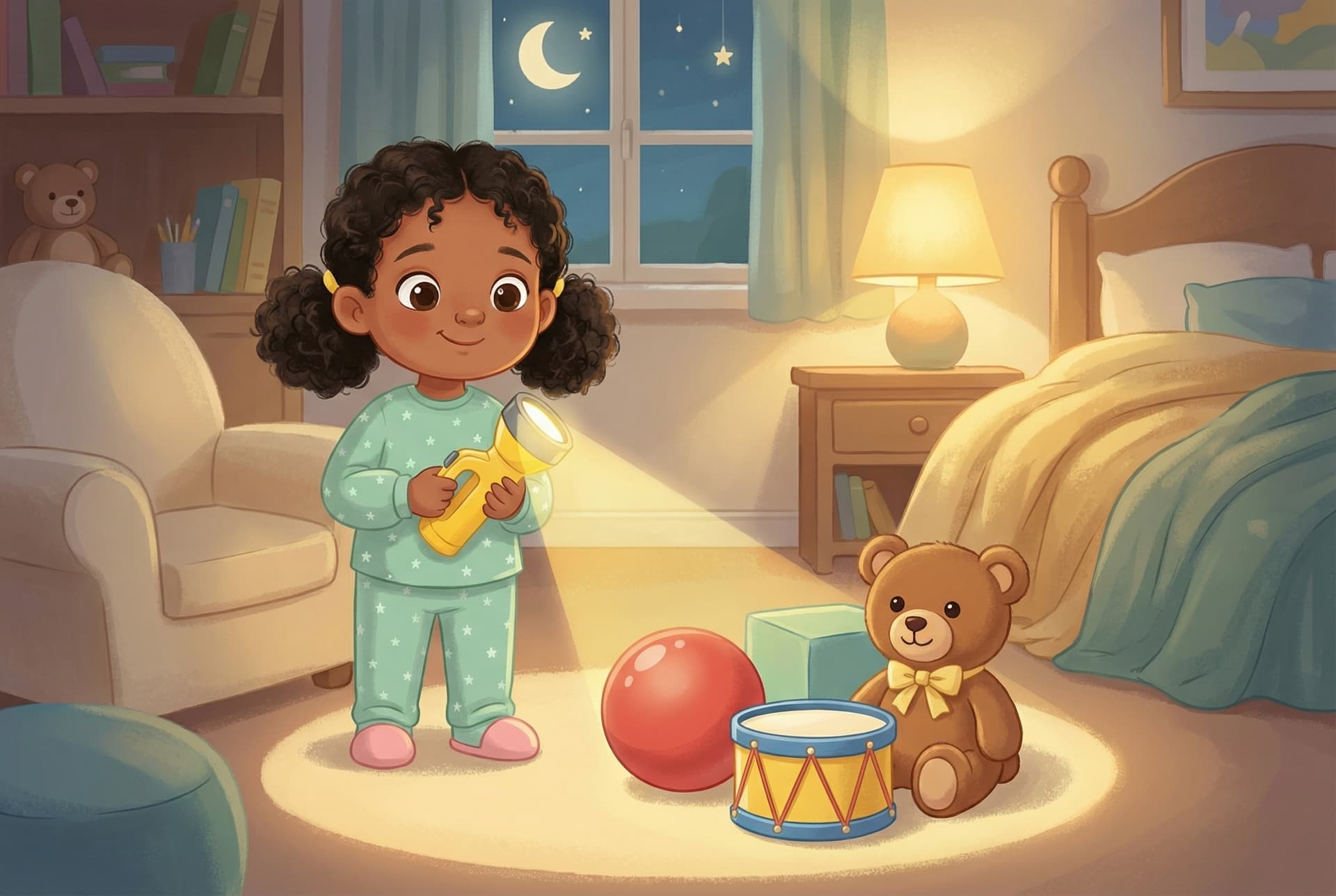
Mina and the Missing Toy Pile
This story helps your child develop observation and problem-solving skills by encouraging them to identify clues along with Mina. It also reinforces positive habits around tidying up and bedtime routines, showing how organizing personal space can create a sense of safety and accomplishment.
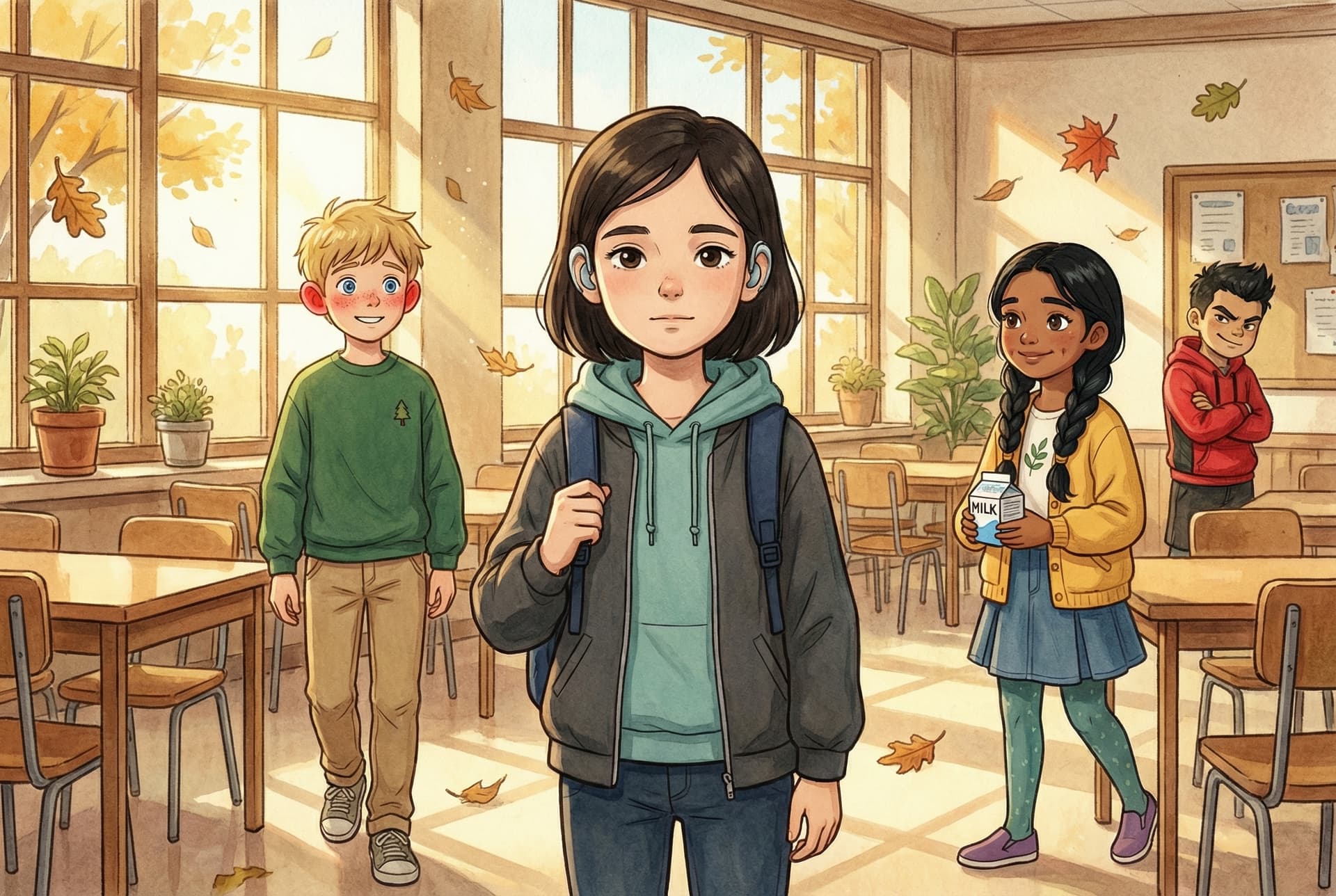
The Theory of Adaptation
This story helps your child understand the profound difference between being a bystander and an 'upstander' when witnessing bullying. It cultivates empathy for peers with physical differences and demonstrates how a single act of courage can positively shift the social dynamics of a group.
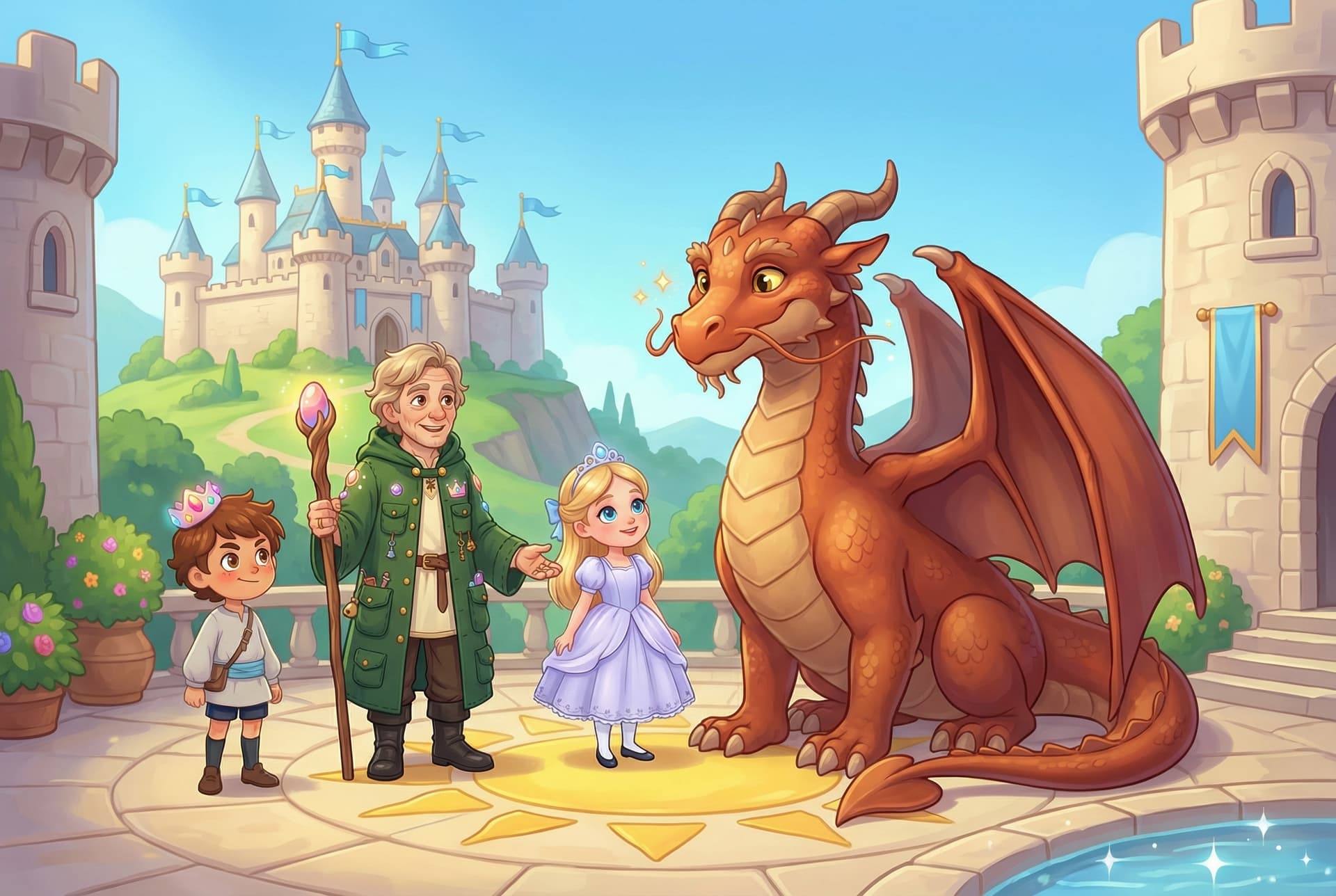
Wizard Bram and the Dragon School of Castle Brightspire
This story teaches children specific techniques for emotional regulation, such as naming feelings and deep breathing to manage anxiety. By showing the protagonist acting bravely despite admitting his fear, it helps children understand that courage doesn't mean not being scared, but doing the right thing anyway. It also encourages empathy by reframing 'monsters' as creatures that might just be lost or frightened.
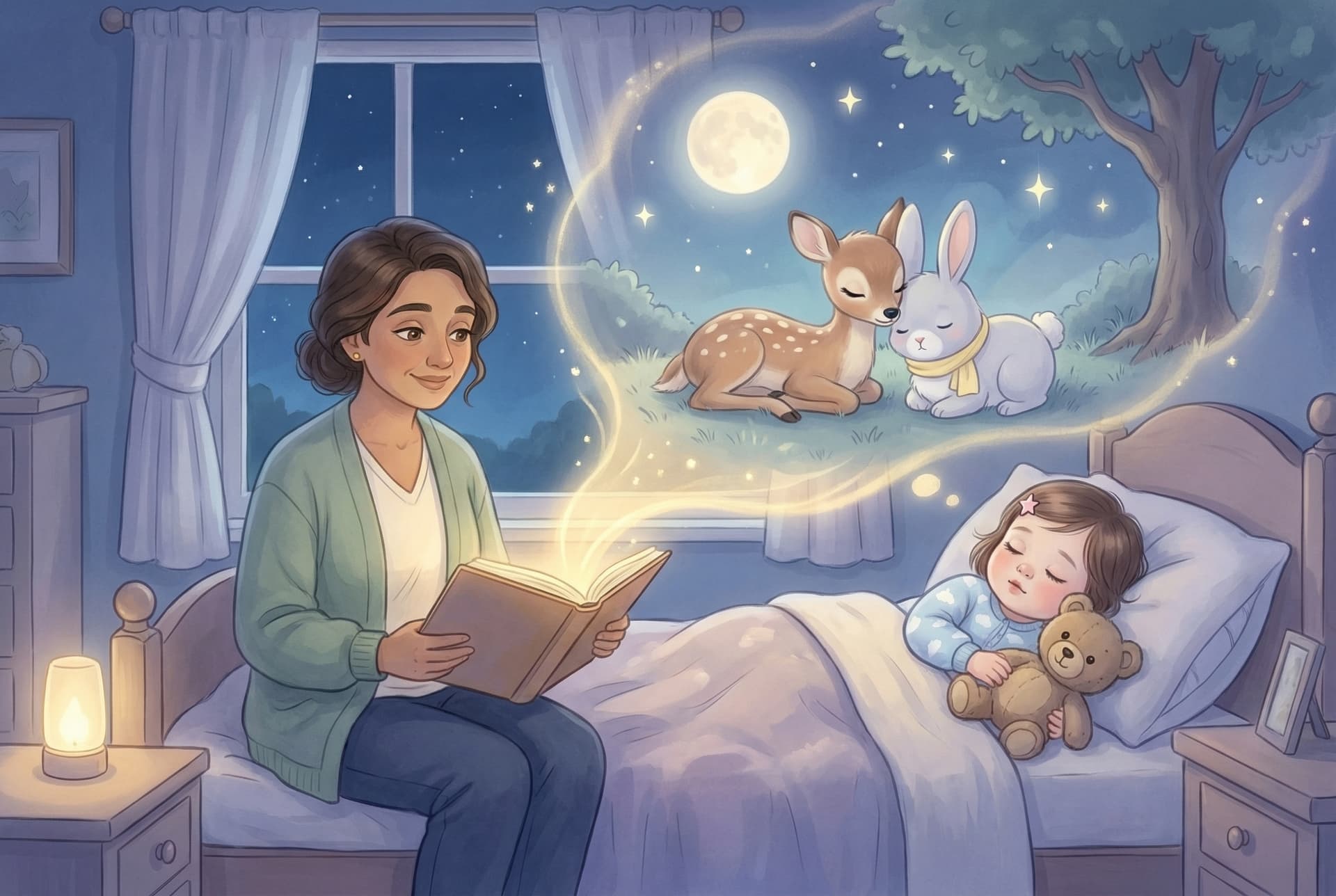
Suzy’s Soft Bedtime
This story helps your child internalize a soothing bedtime routine, providing a sense of security and predictability essential for sleep. By mirroring the protagonist's calming actions and emphasis on safety, it supports your child's ability to self-soothe and transition peacefully from day to night.
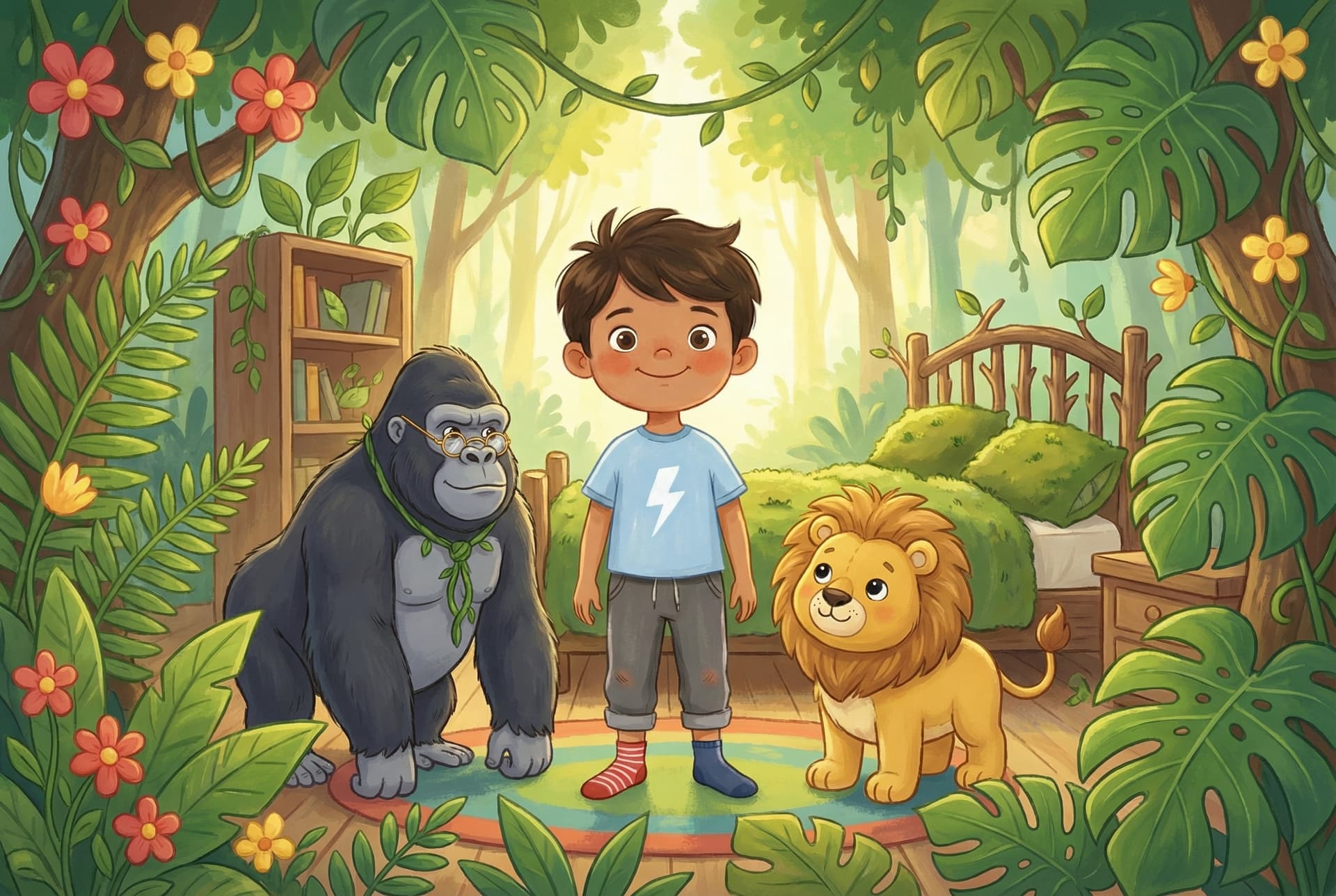
King of the Wild-Leaf Room
This story helps children visualize and manage intense emotions like anger by showing that 'big feelings' are natural but temporary. It provides a reassuring message of unconditional love, teaching children that even when they make mistakes or lose control, their safety and connection with their parents remain secure.
Soft Paws on the Savannah
This story helps your child develop language skills through rhythmic repetition and engaging sensory sounds (swish, pad, splash). The narrative reinforces emotional security by establishing a safe exploration loop that always returns to the comfort of a parent, making it an ideal choice for calming bedtime routines.
Neil and the Mountain-Bell Mind
This story teaches your child practical emotional regulation skills, such as deep breathing and visualization, to help manage anxiety and stress. By watching Neil transition from panic to focus, children learn that they have the power to calm their own minds and solve problems with patience rather than haste.
The Great Game of Hide and Love
This story helps build a secure attachment style by reassuring your child that they are loved and safe, even when they explore independence. It models a positive "serve and return" interaction pattern that strengthens the parent-child bond and develops emotional security.
Ink Under the Skin
This story helps children understand the power of self-definition, showing them that their identity is a choice rather than something imposed by others. It validates feelings of loneliness while encouraging resilience, demonstrating that acknowledging one's true self is the first step toward overcoming adversity.
Lila Counts to Twenty at the Farm
This story encourages your child to persist through frustration when learning new or difficult skills. It demonstrates problem-solving by showing that changing the method (counting still objects instead of moving ones) can lead to success. The narrative also reinforces early math confidence and the sequence of numbers up to twenty in a sensory, rhythmic way.
Starlight Borrowed, Safely Returned
This story teaches your child the value of the scientific method—observation, hypothesis, and testing—in a way that feels like a gentle adventure. It models emotional regulation by showing that staying calm and breathing helps solve problems better than panicking. Your child will also learn fascinating real-world facts about our solar system while seeing curiosity portrayed as a superpower.
Rowan and the Rainbow Toy Bridge
This story helps children develop emotional intelligence by teaching them to identify and name complex feelings like jealousy. Your child will learn practical social strategies, such as using 'gentle hands' and creating fair 'sharing plans,' to navigate sibling conflicts peacefully. It also reinforces the reassuring concept that parental love is not a finite resource, helping to reduce sibling rivalry.
Theo and the New Year Lantern Map
This story encourages your child to develop global awareness by introducing them to diverse cultural traditions in an engaging, relatable way. It also promotes emotional maturity and responsibility, showing that wishes and good luck are best achieved through proactive kindness and helpful actions.
The Spinner-Spring Surprise
This story helps develop your child's cognitive skills by presenting a circular narrative structure, teaching them to recognize patterns and sequences. It also models patience and social cooperation, showing how to handle the whimsical requests of a friend with humor and kindness.
Leo and the Sky-Trail Band
This story teaches children the value of collaboration, showing that listening to others is just as important as playing your own part. It encourages perseverance when facing initial failure and introduces the joy of creative expression through teamwork.
Bus Stop by the Little House
This story helps your child understand the value of being helpful and attentive to family members' needs. It also models positive social skills and politeness through Leo's gentle interaction with the ant to resolve a misunderstanding.
Footsteps on the Quiet Path
This story helps your child develop emotional regulation strategies, teaching them that bravery is about staying steady rather than being fearless. Through Myron's journey, children learn the value of respect for new cultures and the concept of integrity—doing the right thing even when it's difficult or uncomfortable.
Captain Milo and the Spanish Gold Sea-Book
This story helps children understand that true bravery is acting responsibly even when feeling scared. It encourages emotional intelligence by demonstrating that kindness and knowledge are more effective tools for solving problems than force. Additionally, it fosters environmental awareness, teaching young readers to respect nature and share their resources for the good of their community.
Rina and the Giggle Radio
This story supports **gross motor development** by encouraging your child to mimic actions like clapping, tapping, and stomping. The simple cause-and-effect of the radio button helps build **cognitive understanding** of how objects work. The transition from high-energy dancing to a slow lullaby models **emotional regulation**, helping your child practice calming down after excitement.
Leo’s Moon Gallery
This story helps children develop emotional intelligence by demonstrating how art can express feelings that words sometimes cannot. It encourages social skills like empathy and collaboration, teaching young readers that sharing success with a friend is more rewarding than winning alone.
Mina and the Missing Toy Pile
This story helps your child develop observation and problem-solving skills by encouraging them to identify clues along with Mina. It also reinforces positive habits around tidying up and bedtime routines, showing how organizing personal space can create a sense of safety and accomplishment.
The Theory of Adaptation
This story helps your child understand the profound difference between being a bystander and an 'upstander' when witnessing bullying. It cultivates empathy for peers with physical differences and demonstrates how a single act of courage can positively shift the social dynamics of a group.
Wizard Bram and the Dragon School of Castle Brightspire
This story teaches children specific techniques for emotional regulation, such as naming feelings and deep breathing to manage anxiety. By showing the protagonist acting bravely despite admitting his fear, it helps children understand that courage doesn't mean not being scared, but doing the right thing anyway. It also encourages empathy by reframing 'monsters' as creatures that might just be lost or frightened.
Suzy’s Soft Bedtime
This story helps your child internalize a soothing bedtime routine, providing a sense of security and predictability essential for sleep. By mirroring the protagonist's calming actions and emphasis on safety, it supports your child's ability to self-soothe and transition peacefully from day to night.
King of the Wild-Leaf Room
This story helps children visualize and manage intense emotions like anger by showing that 'big feelings' are natural but temporary. It provides a reassuring message of unconditional love, teaching children that even when they make mistakes or lose control, their safety and connection with their parents remain secure.
Soft Paws on the Savannah
This story helps your child develop language skills through rhythmic repetition and engaging sensory sounds (swish, pad, splash). The narrative reinforces emotional security by establishing a safe exploration loop that always returns to the comfort of a parent, making it an ideal choice for calming bedtime routines.
Neil and the Mountain-Bell Mind
This story teaches your child practical emotional regulation skills, such as deep breathing and visualization, to help manage anxiety and stress. By watching Neil transition from panic to focus, children learn that they have the power to calm their own minds and solve problems with patience rather than haste.
The Great Game of Hide and Love
This story helps build a secure attachment style by reassuring your child that they are loved and safe, even when they explore independence. It models a positive "serve and return" interaction pattern that strengthens the parent-child bond and develops emotional security.
Ink Under the Skin
This story helps children understand the power of self-definition, showing them that their identity is a choice rather than something imposed by others. It validates feelings of loneliness while encouraging resilience, demonstrating that acknowledging one's true self is the first step toward overcoming adversity.
Lila Counts to Twenty at the Farm
This story encourages your child to persist through frustration when learning new or difficult skills. It demonstrates problem-solving by showing that changing the method (counting still objects instead of moving ones) can lead to success. The narrative also reinforces early math confidence and the sequence of numbers up to twenty in a sensory, rhythmic way.
Starlight Borrowed, Safely Returned
This story teaches your child the value of the scientific method—observation, hypothesis, and testing—in a way that feels like a gentle adventure. It models emotional regulation by showing that staying calm and breathing helps solve problems better than panicking. Your child will also learn fascinating real-world facts about our solar system while seeing curiosity portrayed as a superpower.
Rowan and the Rainbow Toy Bridge
This story helps children develop emotional intelligence by teaching them to identify and name complex feelings like jealousy. Your child will learn practical social strategies, such as using 'gentle hands' and creating fair 'sharing plans,' to navigate sibling conflicts peacefully. It also reinforces the reassuring concept that parental love is not a finite resource, helping to reduce sibling rivalry.
Theo and the New Year Lantern Map
This story encourages your child to develop global awareness by introducing them to diverse cultural traditions in an engaging, relatable way. It also promotes emotional maturity and responsibility, showing that wishes and good luck are best achieved through proactive kindness and helpful actions.
The Spinner-Spring Surprise
This story helps develop your child's cognitive skills by presenting a circular narrative structure, teaching them to recognize patterns and sequences. It also models patience and social cooperation, showing how to handle the whimsical requests of a friend with humor and kindness.
Leo and the Sky-Trail Band
This story teaches children the value of collaboration, showing that listening to others is just as important as playing your own part. It encourages perseverance when facing initial failure and introduces the joy of creative expression through teamwork.
Bus Stop by the Little House
This story helps your child understand the value of being helpful and attentive to family members' needs. It also models positive social skills and politeness through Leo's gentle interaction with the ant to resolve a misunderstanding.
Footsteps on the Quiet Path
This story helps your child develop emotional regulation strategies, teaching them that bravery is about staying steady rather than being fearless. Through Myron's journey, children learn the value of respect for new cultures and the concept of integrity—doing the right thing even when it's difficult or uncomfortable.
Captain Milo and the Spanish Gold Sea-Book
This story helps children understand that true bravery is acting responsibly even when feeling scared. It encourages emotional intelligence by demonstrating that kindness and knowledge are more effective tools for solving problems than force. Additionally, it fosters environmental awareness, teaching young readers to respect nature and share their resources for the good of their community.
Rina and the Giggle Radio
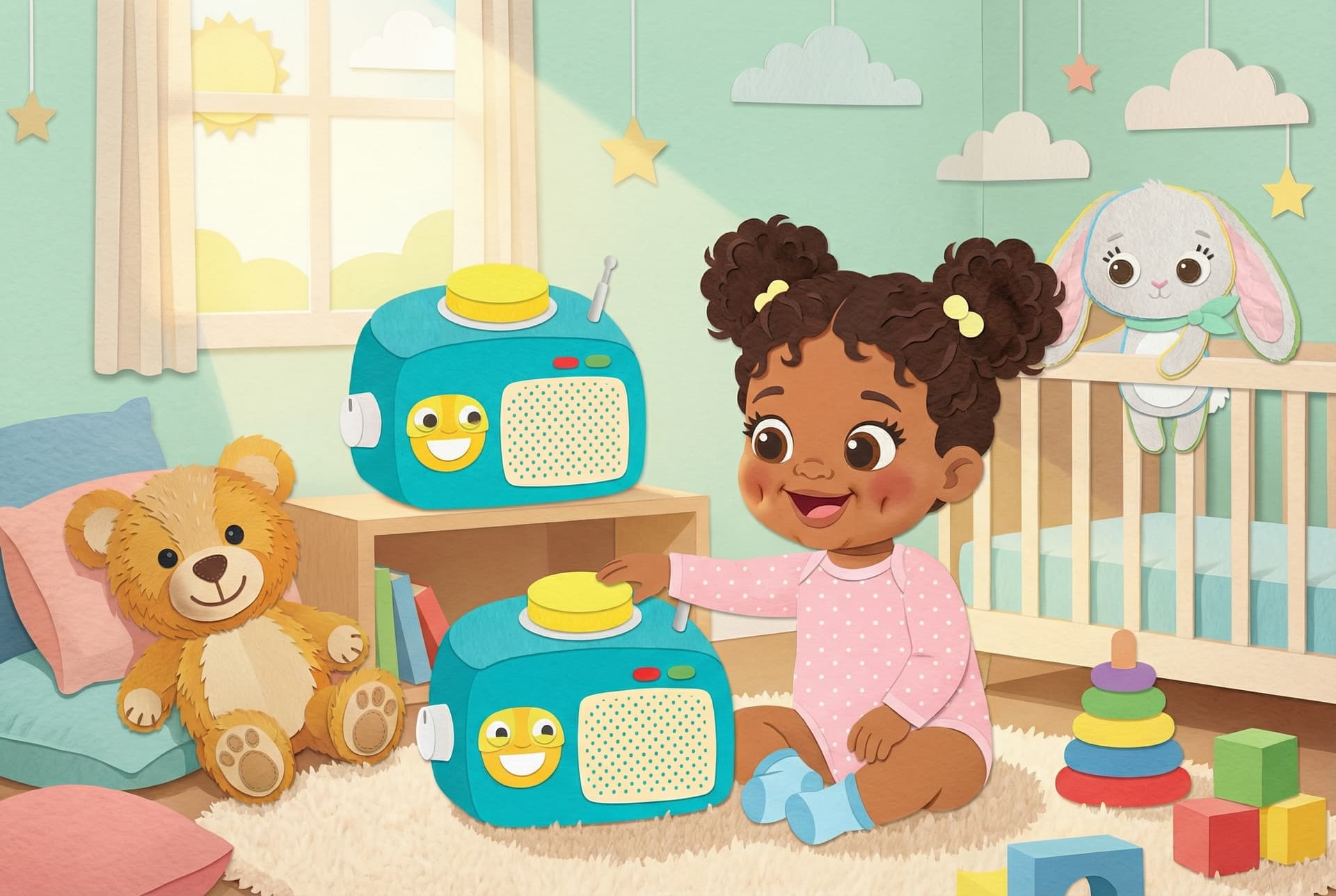
This story supports **gross motor development** by encouraging your child to mimic actions like clapping, tapping, and stomping. The simple cause-and-effect of the radio button helps build **cognitive understanding** of how objects work. The transition from high-energy dancing to a slow lullaby models **emotional regulation**, helping your child practice calming down after excitement.
Leo’s Moon Gallery
This story helps children develop emotional intelligence by demonstrating how art can express feelings that words sometimes cannot. It encourages social skills like empathy and collaboration, teaching young readers that sharing success with a friend is more rewarding than winning alone.
Mina and the Missing Toy Pile
This story helps your child develop observation and problem-solving skills by encouraging them to identify clues along with Mina. It also reinforces positive habits around tidying up and bedtime routines, showing how organizing personal space can create a sense of safety and accomplishment.
The Theory of Adaptation
This story helps your child understand the profound difference between being a bystander and an 'upstander' when witnessing bullying. It cultivates empathy for peers with physical differences and demonstrates how a single act of courage can positively shift the social dynamics of a group.
Wizard Bram and the Dragon School of Castle Brightspire
This story teaches children specific techniques for emotional regulation, such as naming feelings and deep breathing to manage anxiety. By showing the protagonist acting bravely despite admitting his fear, it helps children understand that courage doesn't mean not being scared, but doing the right thing anyway. It also encourages empathy by reframing 'monsters' as creatures that might just be lost or frightened.
Suzy’s Soft Bedtime
This story helps your child internalize a soothing bedtime routine, providing a sense of security and predictability essential for sleep. By mirroring the protagonist's calming actions and emphasis on safety, it supports your child's ability to self-soothe and transition peacefully from day to night.
King of the Wild-Leaf Room
This story helps children visualize and manage intense emotions like anger by showing that 'big feelings' are natural but temporary. It provides a reassuring message of unconditional love, teaching children that even when they make mistakes or lose control, their safety and connection with their parents remain secure.
Soft Paws on the Savannah
This story helps your child develop language skills through rhythmic repetition and engaging sensory sounds (swish, pad, splash). The narrative reinforces emotional security by establishing a safe exploration loop that always returns to the comfort of a parent, making it an ideal choice for calming bedtime routines.
Neil and the Mountain-Bell Mind
This story teaches your child practical emotional regulation skills, such as deep breathing and visualization, to help manage anxiety and stress. By watching Neil transition from panic to focus, children learn that they have the power to calm their own minds and solve problems with patience rather than haste.
The Great Game of Hide and Love
This story helps build a secure attachment style by reassuring your child that they are loved and safe, even when they explore independence. It models a positive "serve and return" interaction pattern that strengthens the parent-child bond and develops emotional security.
Ink Under the Skin
This story helps children understand the power of self-definition, showing them that their identity is a choice rather than something imposed by others. It validates feelings of loneliness while encouraging resilience, demonstrating that acknowledging one's true self is the first step toward overcoming adversity.
Lila Counts to Twenty at the Farm
This story encourages your child to persist through frustration when learning new or difficult skills. It demonstrates problem-solving by showing that changing the method (counting still objects instead of moving ones) can lead to success. The narrative also reinforces early math confidence and the sequence of numbers up to twenty in a sensory, rhythmic way.
Starlight Borrowed, Safely Returned
This story teaches your child the value of the scientific method—observation, hypothesis, and testing—in a way that feels like a gentle adventure. It models emotional regulation by showing that staying calm and breathing helps solve problems better than panicking. Your child will also learn fascinating real-world facts about our solar system while seeing curiosity portrayed as a superpower.
Rowan and the Rainbow Toy Bridge
This story helps children develop emotional intelligence by teaching them to identify and name complex feelings like jealousy. Your child will learn practical social strategies, such as using 'gentle hands' and creating fair 'sharing plans,' to navigate sibling conflicts peacefully. It also reinforces the reassuring concept that parental love is not a finite resource, helping to reduce sibling rivalry.
Theo and the New Year Lantern Map
This story encourages your child to develop global awareness by introducing them to diverse cultural traditions in an engaging, relatable way. It also promotes emotional maturity and responsibility, showing that wishes and good luck are best achieved through proactive kindness and helpful actions.
The Spinner-Spring Surprise
This story helps develop your child's cognitive skills by presenting a circular narrative structure, teaching them to recognize patterns and sequences. It also models patience and social cooperation, showing how to handle the whimsical requests of a friend with humor and kindness.
Leo and the Sky-Trail Band
This story teaches children the value of collaboration, showing that listening to others is just as important as playing your own part. It encourages perseverance when facing initial failure and introduces the joy of creative expression through teamwork.
Bus Stop by the Little House
This story helps your child understand the value of being helpful and attentive to family members' needs. It also models positive social skills and politeness through Leo's gentle interaction with the ant to resolve a misunderstanding.
Footsteps on the Quiet Path
This story helps your child develop emotional regulation strategies, teaching them that bravery is about staying steady rather than being fearless. Through Myron's journey, children learn the value of respect for new cultures and the concept of integrity—doing the right thing even when it's difficult or uncomfortable.
Captain Milo and the Spanish Gold Sea-Book
This story helps children understand that true bravery is acting responsibly even when feeling scared. It encourages emotional intelligence by demonstrating that kindness and knowledge are more effective tools for solving problems than force. Additionally, it fosters environmental awareness, teaching young readers to respect nature and share their resources for the good of their community.
Rina and the Giggle Radio
This story supports **gross motor development** by encouraging your child to mimic actions like clapping, tapping, and stomping. The simple cause-and-effect of the radio button helps build **cognitive understanding** of how objects work. The transition from high-energy dancing to a slow lullaby models **emotional regulation**, helping your child practice calming down after excitement.
Leo’s Moon Gallery
This story helps children develop emotional intelligence by demonstrating how art can express feelings that words sometimes cannot. It encourages social skills like empathy and collaboration, teaching young readers that sharing success with a friend is more rewarding than winning alone.
Mina and the Missing Toy Pile
This story helps your child develop observation and problem-solving skills by encouraging them to identify clues along with Mina. It also reinforces positive habits around tidying up and bedtime routines, showing how organizing personal space can create a sense of safety and accomplishment.
The Theory of Adaptation
This story helps your child understand the profound difference between being a bystander and an 'upstander' when witnessing bullying. It cultivates empathy for peers with physical differences and demonstrates how a single act of courage can positively shift the social dynamics of a group.
Wizard Bram and the Dragon School of Castle Brightspire
This story teaches children specific techniques for emotional regulation, such as naming feelings and deep breathing to manage anxiety. By showing the protagonist acting bravely despite admitting his fear, it helps children understand that courage doesn't mean not being scared, but doing the right thing anyway. It also encourages empathy by reframing 'monsters' as creatures that might just be lost or frightened.
Suzy’s Soft Bedtime
This story helps your child internalize a soothing bedtime routine, providing a sense of security and predictability essential for sleep. By mirroring the protagonist's calming actions and emphasis on safety, it supports your child's ability to self-soothe and transition peacefully from day to night.
King of the Wild-Leaf Room
This story helps children visualize and manage intense emotions like anger by showing that 'big feelings' are natural but temporary. It provides a reassuring message of unconditional love, teaching children that even when they make mistakes or lose control, their safety and connection with their parents remain secure.
How It Works
From idea to audio story in minutes, not hours
The Spark
Tell us what your child is facing—fears, milestones, or just a topic they love
The Magic
AI creates a personalized story with your child as the hero
The Experience
Listen to a beautifully narrated audio story with stunning illustrations
The Spark
Tell us what your child is facing—fears, milestones, or just a topic they love
The Magic
AI creates a personalized story with your child as the hero
The Experience
Listen to a beautifully narrated audio story with stunning illustrations
Why Stories Matter
The perfect blend of fun and developmental benefits
Fun & Imagination
Magical Adventures
Transport kids to fantastical worlds where they're the hero
Sparks Creativity
Fuel imagination far beyond passive video content
Better Than TV
Slow-paced entertainment that develops listening skills
Effective Way to Learn
Lessons absorbed naturally through engaging narratives
Science & Development
Emotional Regulation
Process feelings safely through story characters
Vocabulary & Literacy
Build comprehension and language skills effortlessly
Family Connection
Start meaningful conversations about life's challenges
Better Sleep
Calming bedtime routines that ease into restful nights
Experience the Magic
Beautifully crafted stories with stunning illustrations and soothing narration
Neural Audio Technology
Soothing, expressive voices that bring every character to life
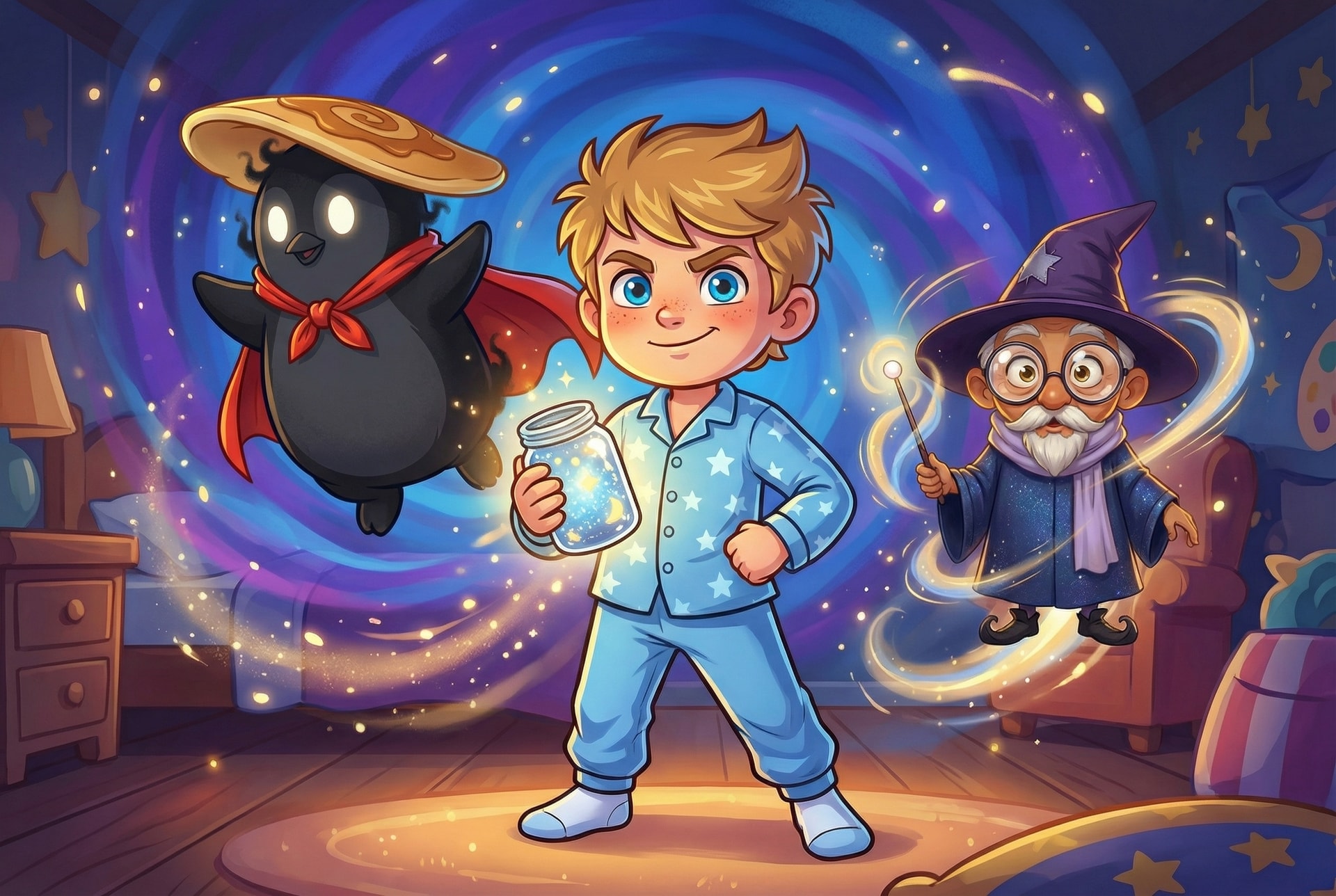


Stunning Illustrations
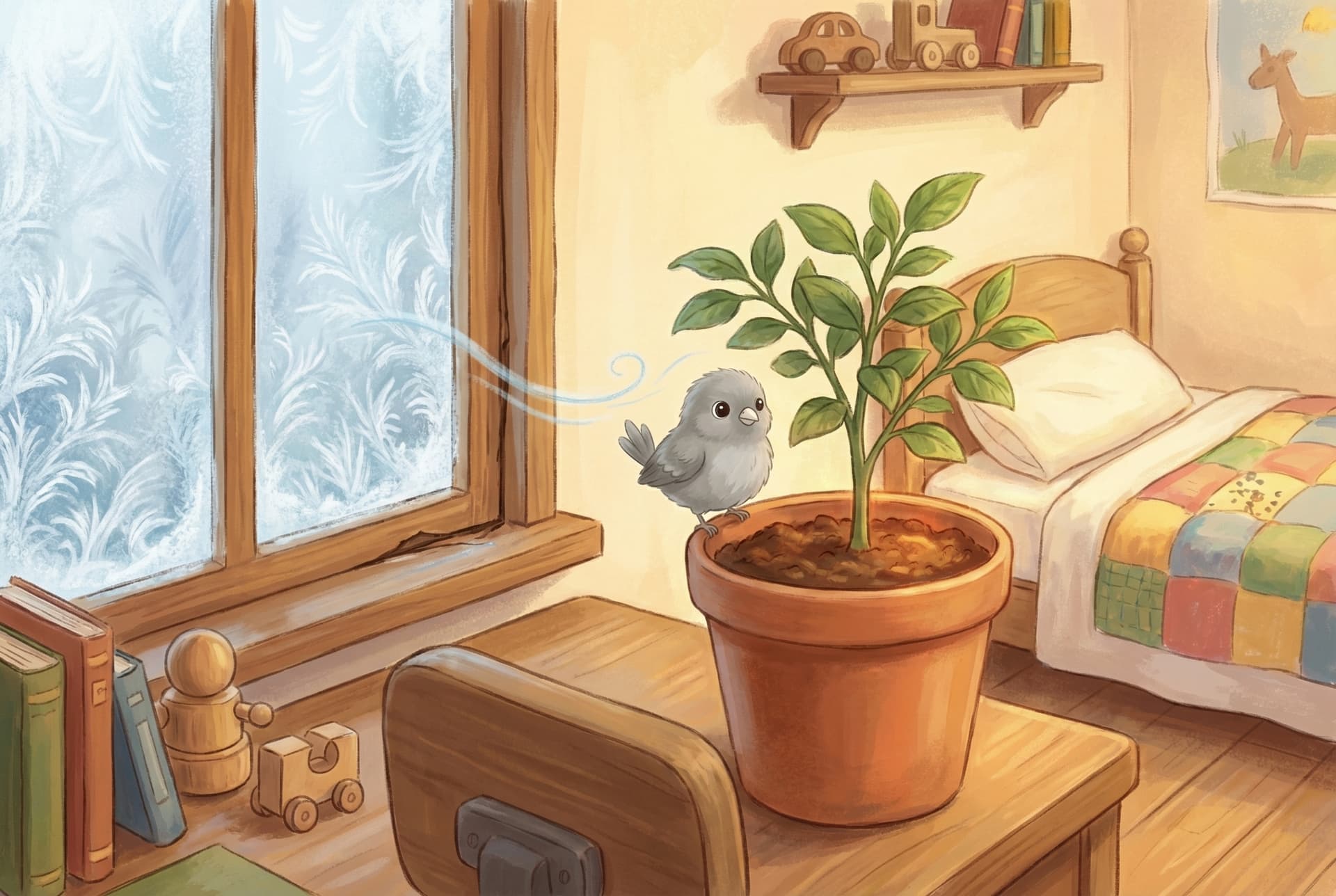
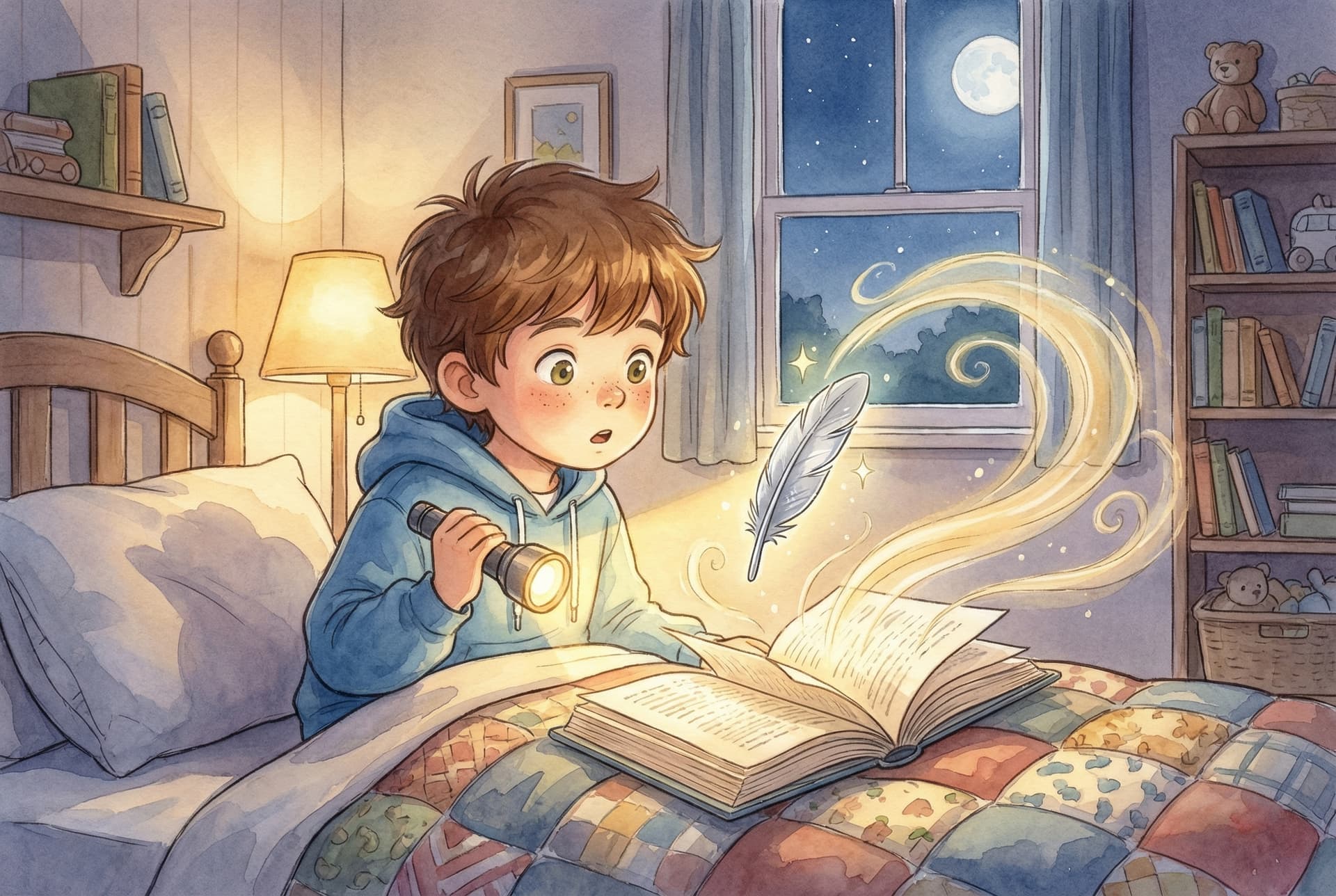
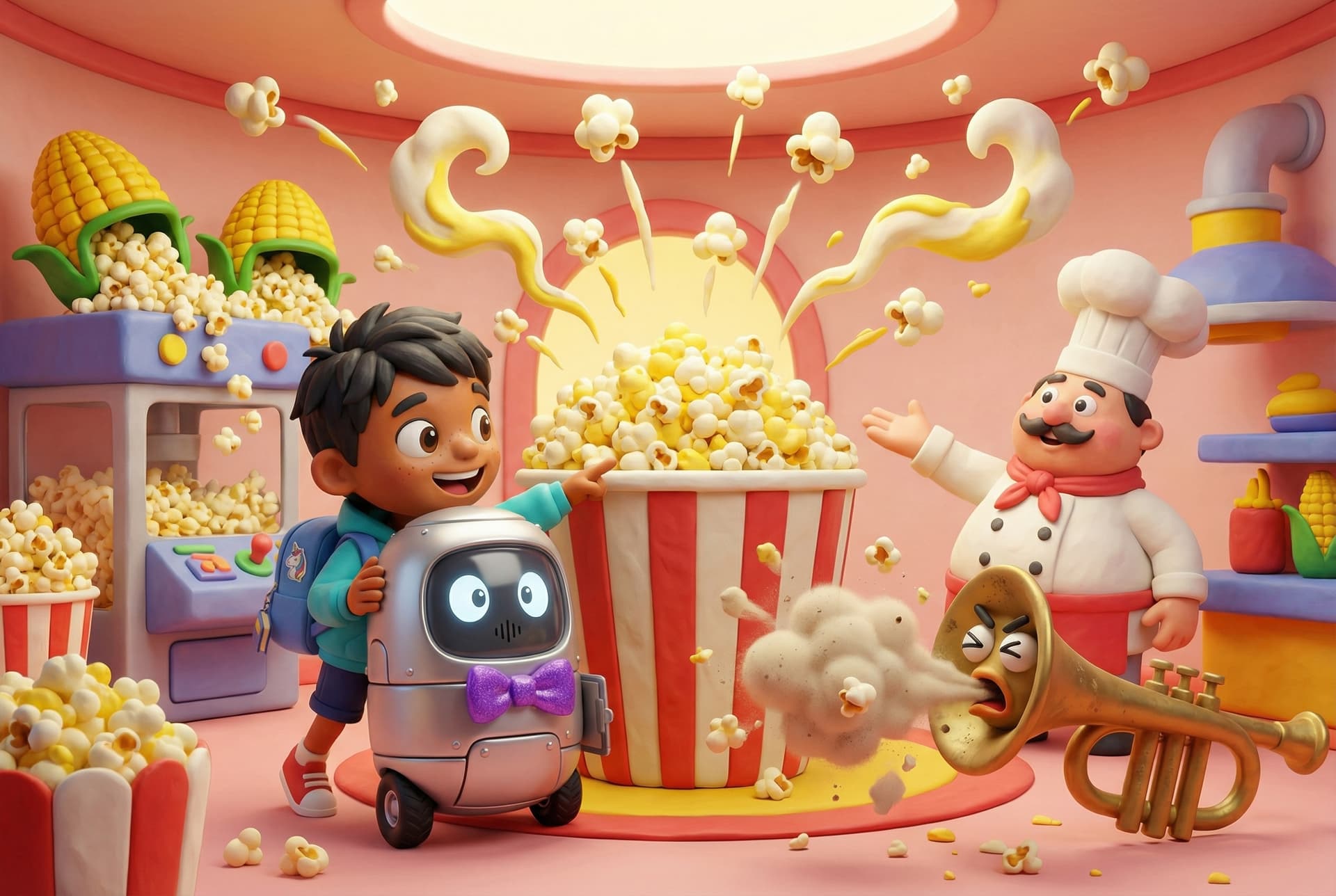
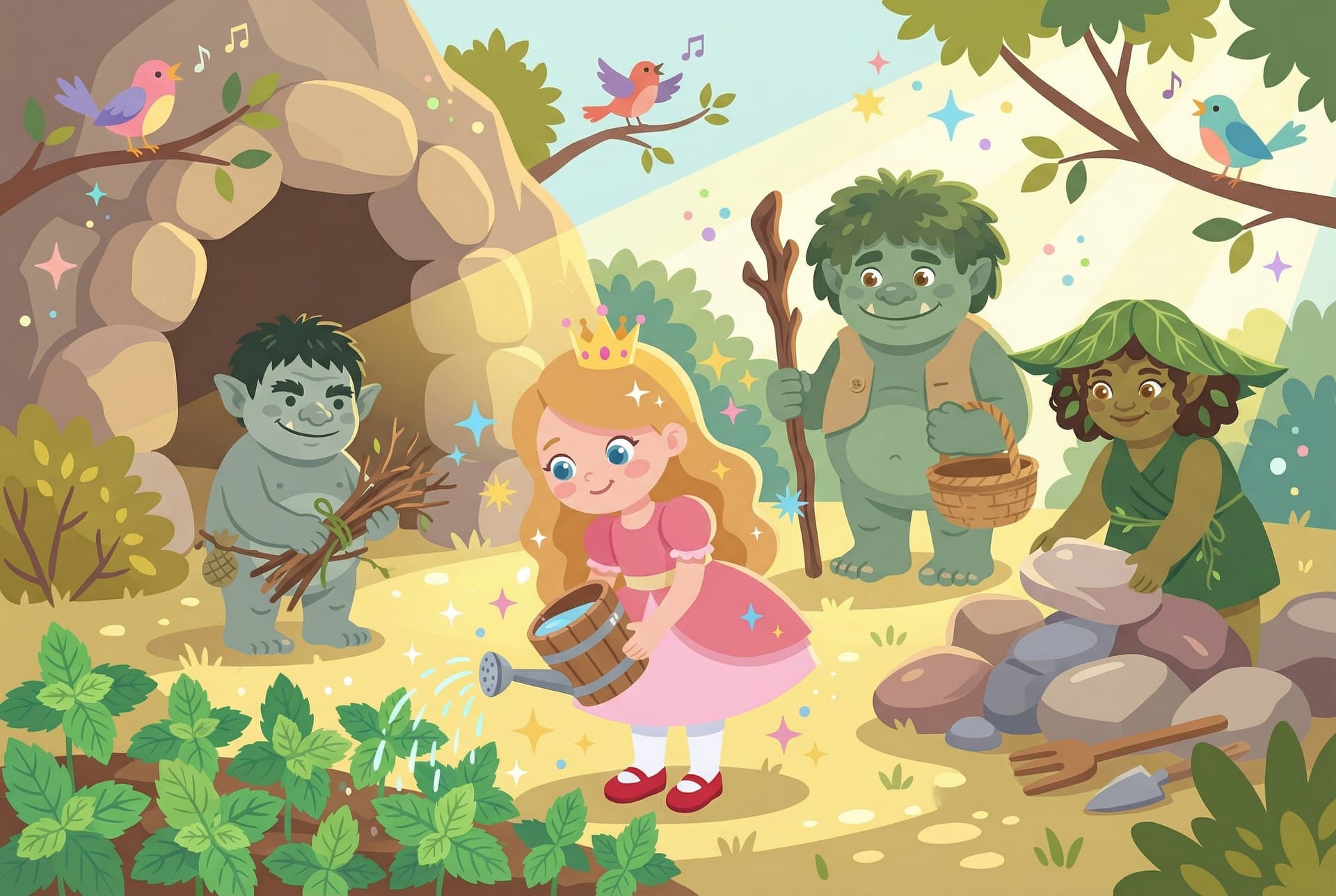
Every story comes with beautiful, AI-generated artwork

Built for Trust
We take your child's safety and your privacy seriously
Zero Ads. Ever.
A distraction-free experience focused entirely on your child's enjoyment
Private by Design
Your family's data stays yours. We never sell or share personal information
Smart Filtering
AI-powered content moderation ensures age-appropriate stories every time
Research-Based
Built on child development research and proven storytelling techniques
Loved by Families
See what parents are saying about Booklly
“Finally, something that helps with bedtime battles. My son actually asks to go to bed now because he knows a story is waiting.”
“My daughter asks for her story every night. It's become our special bonding time, and I love that she's learning to process her emotions.”
“The stories about starting school really helped my anxious little one. She felt braver knowing other kids (and characters!) felt the same way.”
* More reviews coming soon
Simple, Transparent Pricing
Choose the plan that fits your family's storytelling needs
Free
Start exploring with your child
- 1 story view per month
- Access to public story library
- High-quality audio narration
- Beautiful illustrations
Basic
Perfect for regular readers
- up to 3 story generations per month
- Unlimited library access
- High-quality voice generation
- All illustration styles
Creator
For storytelling enthusiasts
- up to 9 story generations per month
- Unlimited library access
- Premium voice options
- All illustration styles
- Priority support
All plans include unlimited access to our story library.
Cancel anytime, no questions asked.
Give them stories that inspire, comfort, and delight
Start your child's storytelling journey today
1 free story per month for registered users